Why Did Croatia Split From Yugoslavia?
Croatia was a republic of socialist Yugoslavia under Tito, declared independence on 25 June 1991, and the siege of Dubrovnik followed. Here is what the verified record says, and which Dubrovnik tours show you the places.
Croatia declared independence on 25 June 1991. The siege of Dubrovnik began on 1 October 1991 and was lifted on 31 May 1992. Those three dates are the skeleton of the answer, and everything on this page hangs on them. Dubrovnik Communism Tours exists to connect readers with the small group of tours that show where that history happened: the Red History Museum walk through communist Yugoslavia, the Half-Day Yugoslav War History tour, and the private walks that trace 1991 shell scars in the Old Town. This article answers the question from the verified record first, then routes you to those tours. Where the record runs thin, it says so plainly rather than filling the gap with guesswork, because a page about a war owes its readers that much discipline.
Croatia was one of the republics of socialist Yugoslavia, the federation that Josip Broz Tito led after the Second World War. Croatia declared independence on 25 June 1991, and the siege of Dubrovnik followed, running from 1 October 1991 until it was lifted on 31 May 1992. Those are the verified anchor points; the deeper political causes are outside what this page can state responsibly.
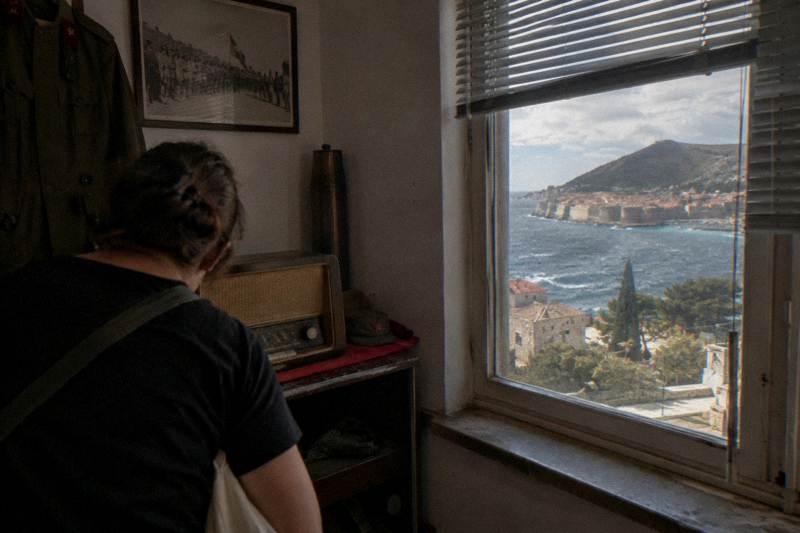
Start with the shape of the country. Yugoslavia after the Second World War was a socialist federation made up of republics, and Croatia was one of them. Tito led that state until his death, and the everyday life of the era, from apartment blocks and work routines to summer holidays at military resorts, is exactly what Dubrovnik's Red History Museum documents. If the texture of that period is what you are after, the museum's guided walk is the most direct introduction in the city: it runs 50 minutes to 1 hour 35 minutes, admission is included, and it costs from €10 per person, the lowest per-person price of any tour covered on this site. It is also the most reviewed tour here, rated 4.8 across 206 reviews.
Then comes the break. On 25 June 1991 Croatia declared independence. What this page can say about the causes stops there. The politics behind the breakup of Yugoslavia, the motives of the actors involved, and the sequence of negotiations and confrontations across the federation are not part of the verified record used here, and a tourism site guessing at them would be doing readers a disservice. For the wider story of life under the system rather than its collapse, the companion piece on everyday life in socialist Croatia stays within the same verified boundaries.
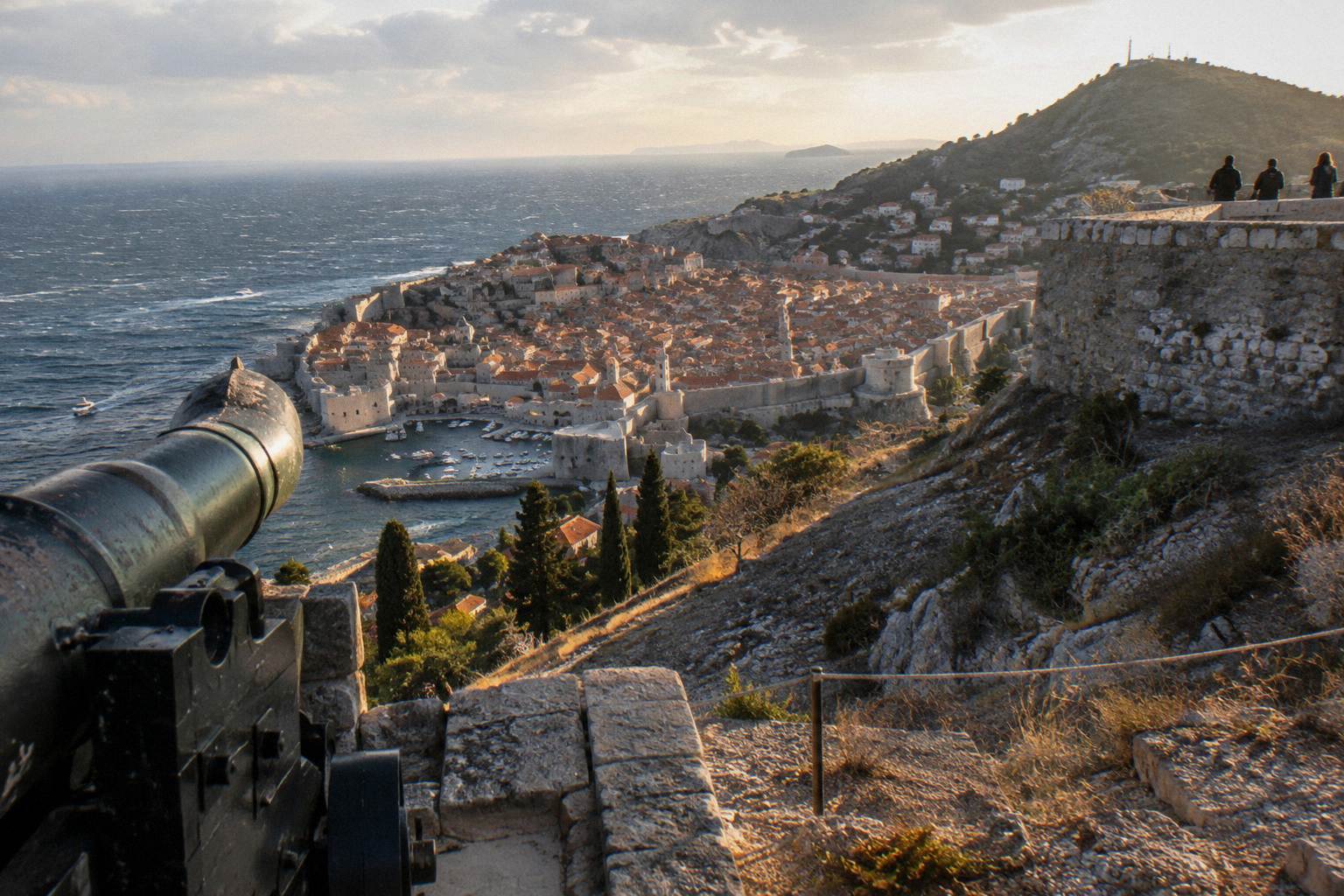
What Dubrovnik can show you is the consequence. The siege began on 1 October 1991 and the heaviest shelling of the Old Town came on 6 December 1991, a date the city marks to this day. The Old Town had been inscribed as a UNESCO World Heritage site in 1979, and it spent 1991 to 1998 on the World Heritage in Danger list while repairs were carried out. About two thirds of the Old Town's buildings were damaged in 1991 and 1992, and the city's own account of the destruction and restoration describes what was rebuilt and how.
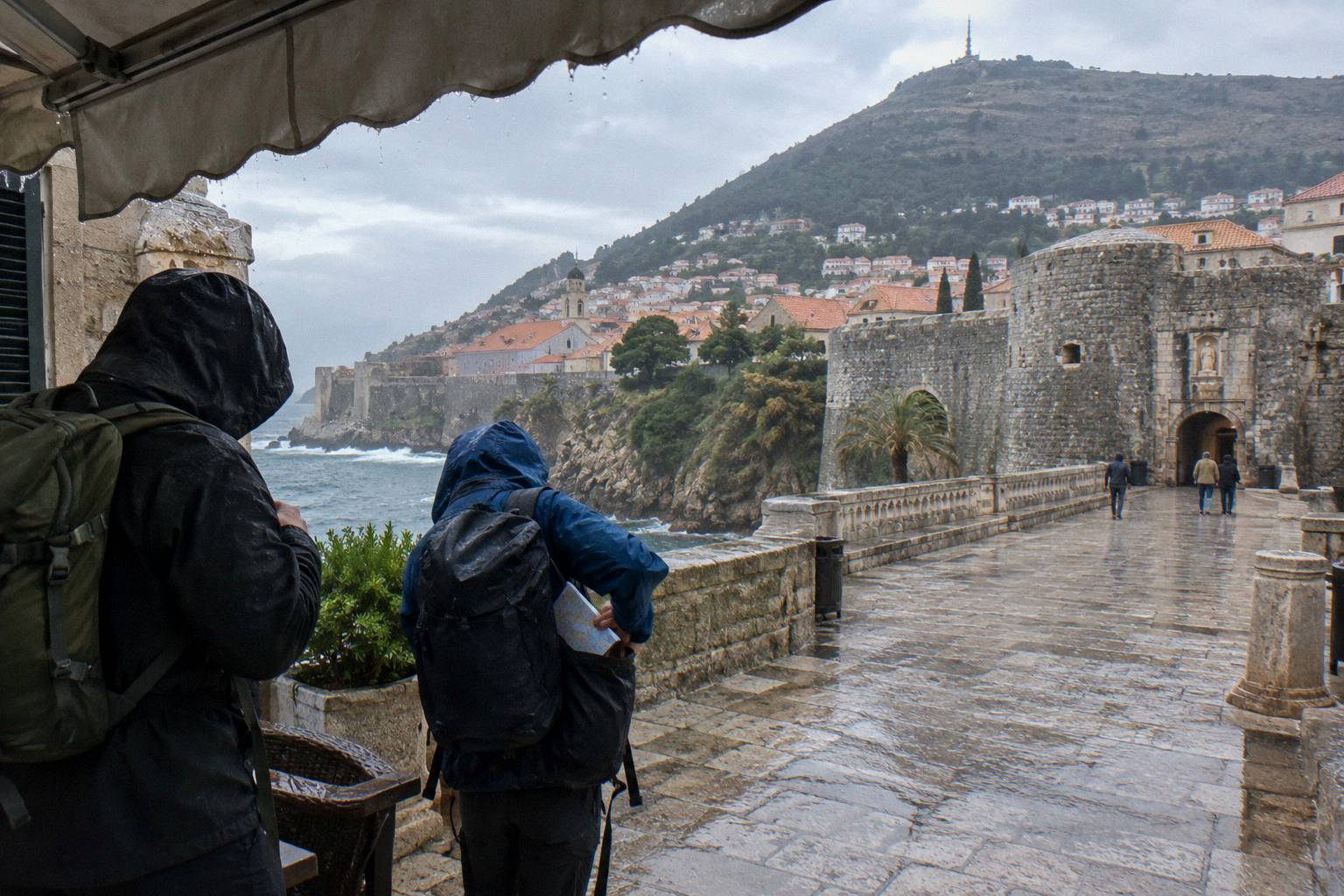
For readers who want the whole arc in one outing, two tours cover both ends of the story. The Red History Museum Visit covers the Yugoslav era inside the museum itself. The Half-Day Yugoslav War History tour by Amico Tours, a guided driving tour of 4 hours from €178 per person with pickup included and entrance to both the Red History Museum and the Homeland War Museum, covers the communist-to-war transition in a single morning or afternoon. Between them, those two products answer the question this article asks, on the ground rather than on the page.
One more piece of context helps frame the era you are stepping into. Croatia has used the euro since 1 January 2023, so every price on this page and every ticket in the city is in the currency you will actually spend. That small fact is a useful marker of how far the country has travelled from the federation it left in 1991, and it makes the practical side of visiting these sites straightforward: no conversions, no guesswork, just euro prices at the museum desk and on the booking page. Bring a card for the museum desks, carry small notes for the smaller sites, and expect ticketing at the Red History Museum to be handled for you if you take the museum's own walk, since admission is bundled into that booking rather than paid at the door.
What Happened To Dubrovnik After Independence?
The siege of Dubrovnik ran from 1 October 1991 until it was lifted on 31 May 1992. The heaviest shelling of the Old Town fell on 6 December 1991, about two thirds of the Old Town's buildings were damaged, and a restoration effort followed that kept the site on UNESCO's danger list until 1998. The Old Town you walk through today is substantially rebuilt, and several tours point out where.
The dates do the explaining here. Independence on 25 June 1991. Siege from 1 October 1991. The worst day for the Old Town, 6 December 1991. Lifted 31 May 1992. Beyond that sequence, this page deliberately stops: casualty figures, shell counts and the conduct of the forces involved are not part of the verified record used here, and no responsible short answer should improvise them. The full narrative, kept to the same verified bounds, is in the siege of Dubrovnik explained guide.
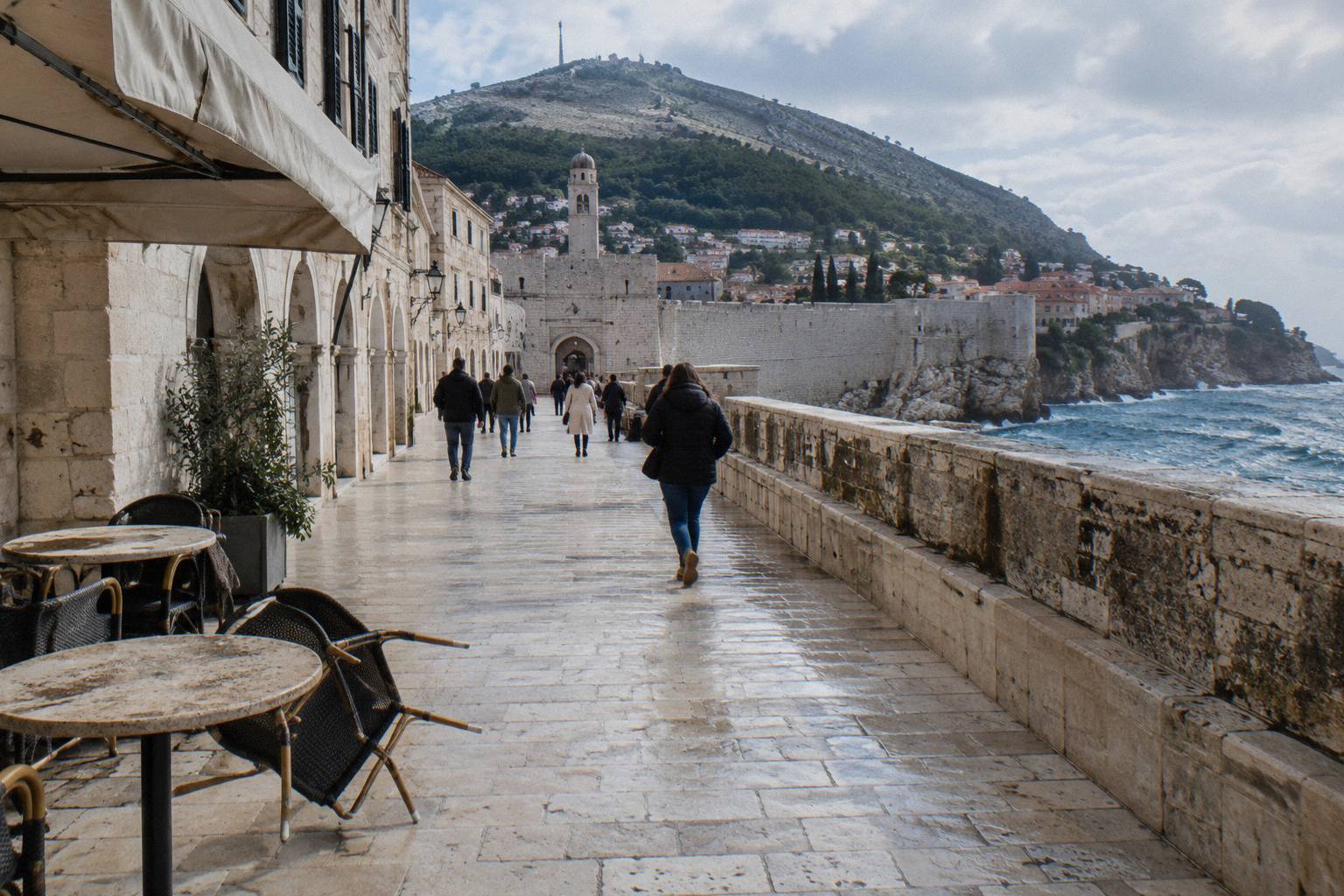
What a visitor can actually see falls into two categories: repaired damage you have to be shown, and museums that interpret it. The repaired damage is the subtler of the two. Walk the Stradun and the side streets today and the city reads as intact, but guides on the private walks know which rooflines were reconstructed, which facades carry newer stone, and where shrapnel marks remain. The Controversial History Private Walk by ROSOTRAVEL Croatia, a 2-hour private walk from €129 per person led by a licensed private guide, is built around exactly this: the rooftiles and walls that still show traces of 1991. The tour includes free cancellation up to 24 hours ahead, which matters if your plans in the city are still fluid.
The museums are the second category, and Dubrovnik has three that matter for this story. The Homeland War Museum sits inside Fort Imperial on Mount Srd, the fortress above the city, and its official site lists adult admission at €5, students €3, and free entry for children under 7. Its hours shift with the seasons: 08:30 to 22:00 from 1 April to 30 September, 09:00 to 20:00 in October, and 09:00 to 17:00 from 1 November to 31 March, so check the day before you go. The Red History Museum covers the Yugoslav decades. War Photo Limited, the independent war photography gallery near the Old Town, is a third stop on several itineraries, though it is seasonal: its published hours run 10:00 to 22:00 from May to September, 10:00 to 17:00 in April and October, and it closes completely from November to March, with adult tickets at €10 and student tickets at €6. Any tour that includes it is therefore a spring-to-autumn product.
If one tour had to stand in for this whole section, the Red History Museum Visit pairs best with a self-guided afternoon at the Homeland War Museum, because between them they cover both the era that ended and the war that followed.
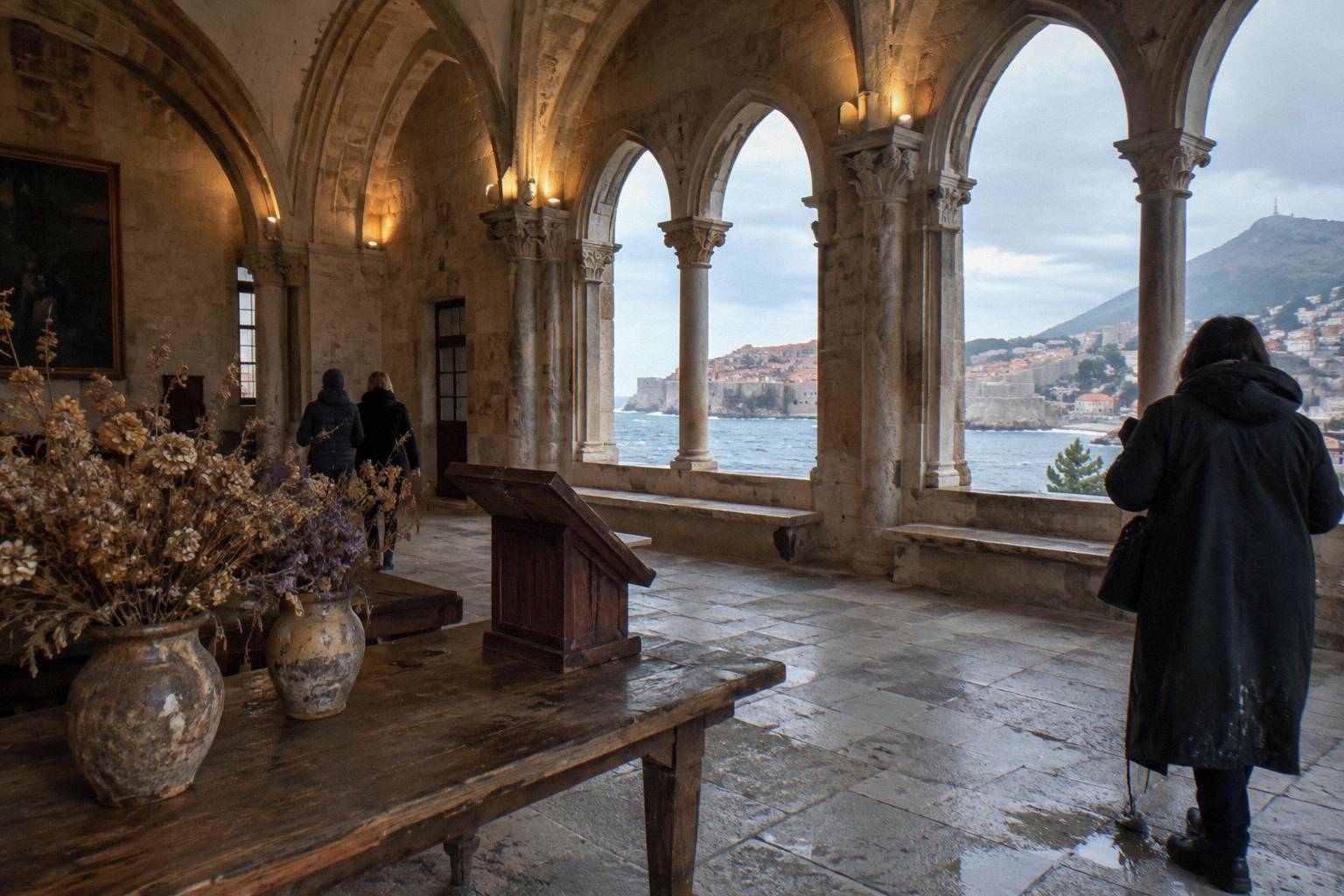
A note on how the two halves of the story fit together. The Yugoslav era explains the world independence was declared from: the republic structure, the one-party system, the state-run tourism economy that built resorts along this coast. The war years explain what the declaration cost this city in particular. A morning in the Red History Museum followed by an afternoon on Srd is, in practical terms, the shortest honest answer to the question in this title that a single day in Dubrovnik can give you.
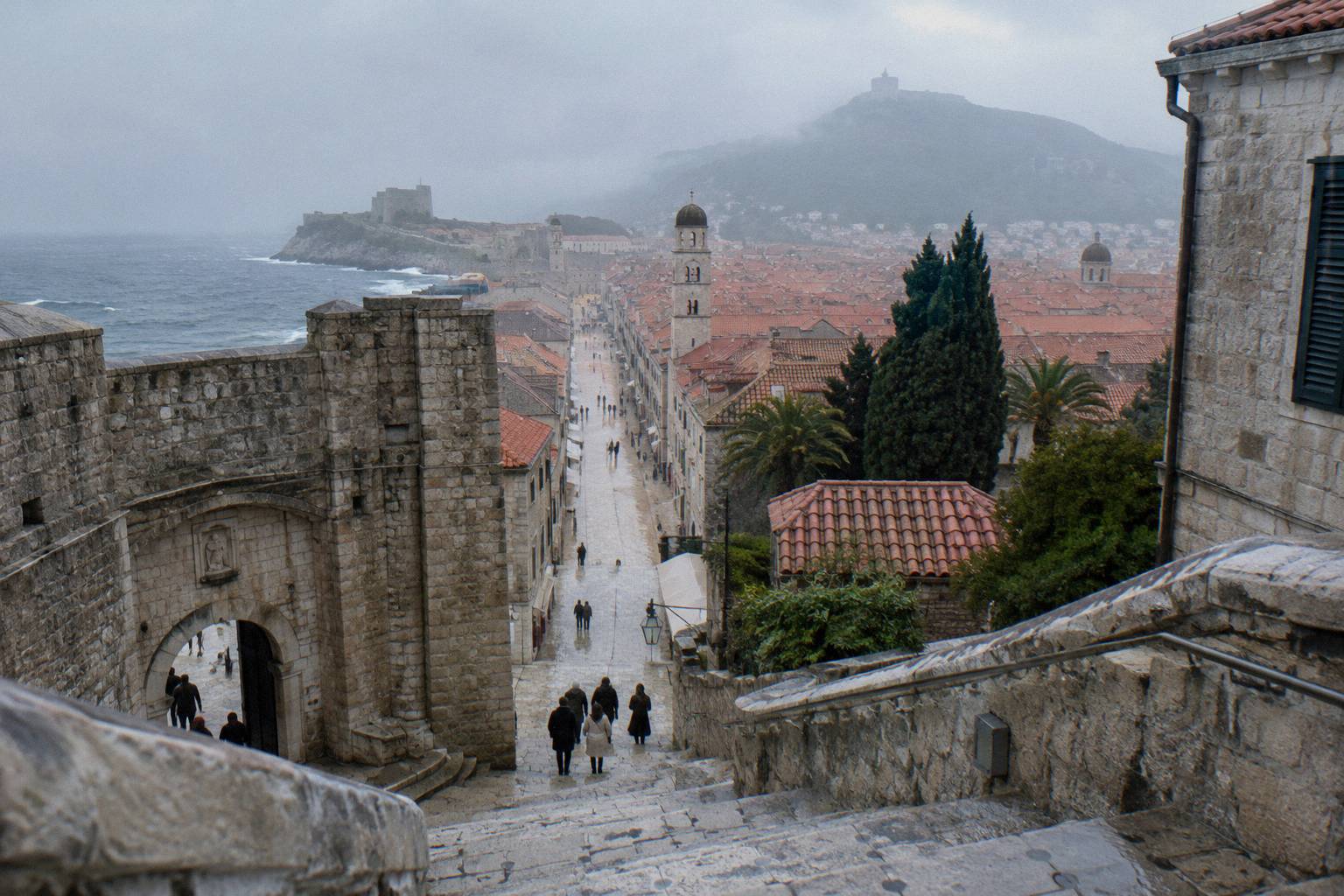
Which Places Tell The Yugoslavia To War Story?
Four places in and around Dubrovnik carry this story: the Red History Museum in the Nuncijata quarter, the Homeland War Museum inside Fort Imperial on Mount Srd, the Old Town streets that were shelled and rebuilt, and the former military resort at Kupari, which is closed to the public and can only be described from outside. A fifth, War Photo Limited, is seasonal and closes November to March.
Each place answers a different part of the question, and it helps to know which is which before booking anything.
| Place | What It Covers | Entry | Practical Note |
|---|---|---|---|
| Red History Museum, Ulica Svetog Križa 3 | Everyday life in communist Yugoslavia | Admission included on the museum's own walk, from €10 per person | The walk runs 50 minutes to 1 hour 35 minutes |
| Homeland War Museum, Fort Imperial, Mount Srd | The 1991 to 1992 siege, inside the fort that was shelled | Adults €5, students €3, under 7 free | Seasonal hours; check the day before you go |
| War Photo Limited | War photography from conflict zones including the Balkans | Adults €10, students €6 | Closed November to March; seasonal |
| Kupari | Former Yugoslav People's Army military resort, damaged in 1991 | No public access | Ruins largely demolished in 2025; view from the road only |
Kupari deserves its own caution. The resort, once used by the Yugoslav People's Army and nicknamed "Tito's Hawaii", was plundered and damaged in 1991 and became a well-known ruin, but the ruins were largely demolished in 2025, with the protected Grand Hotel excepted, and the site is now under redevelopment as a luxury resort, as local reporting on the Kupari redevelopment describes. There is no public access. Some tour descriptions still advertise the ruins, so read the itinerary carefully: the stop, where it exists, is a viewpoint or drive-by, never a walk inside. The same applies to the Belvedere Hotel: it appears on itineraries as an exterior stop only.
The Old Town itself is the fourth site, and it is where the private walking tours earn their keep. The Private Walk, 2h30 by My Dubrovnik Tours is the fullest version: a private 2 hour 30 minute walk from €100 per person that runs from the Ploce to Pile gates past war-damage sites, includes entrance to the Memorial Room of Dubrovnik Defenders, and is led by a decorated war veteran who personally witnessed the war. It is rated 5 across 8 reviews, a small number of reviews but a consistent one. Free cancellation applies up to 24 hours ahead.
For Mount Srd itself, you can ride the cable car independently: the official cable car timetable and prices list an adult return at €30, one way €17, and a child return (ages 4 to 12) at €8, with a ride of about 4 minutes and seasonal hours with some winter closures. Fares and timetables change, so check the day before you go.
Some dates help the visits make sense. The siege of Dubrovnik ran from 1 October 1991 until it was lifted on 31 May 1992, and the heaviest shelling of the Old Town came on 6 December 1991. Over the siege as a whole, about two thirds of the Old Town's buildings were damaged.
For the Homeland War Museum, the official museum site publishes its seasonal hours: April to September 08:30 to 22:00, October 09:00 to 20:00, and November to March 09:00 to 17:00. The adult ticket is €5, and on tours that list the museum as an extra, the ticket is paid separately on arrival.
War Photo Limited closes entirely from November to March. If a tour includes it, confirm the departure falls outside those months.
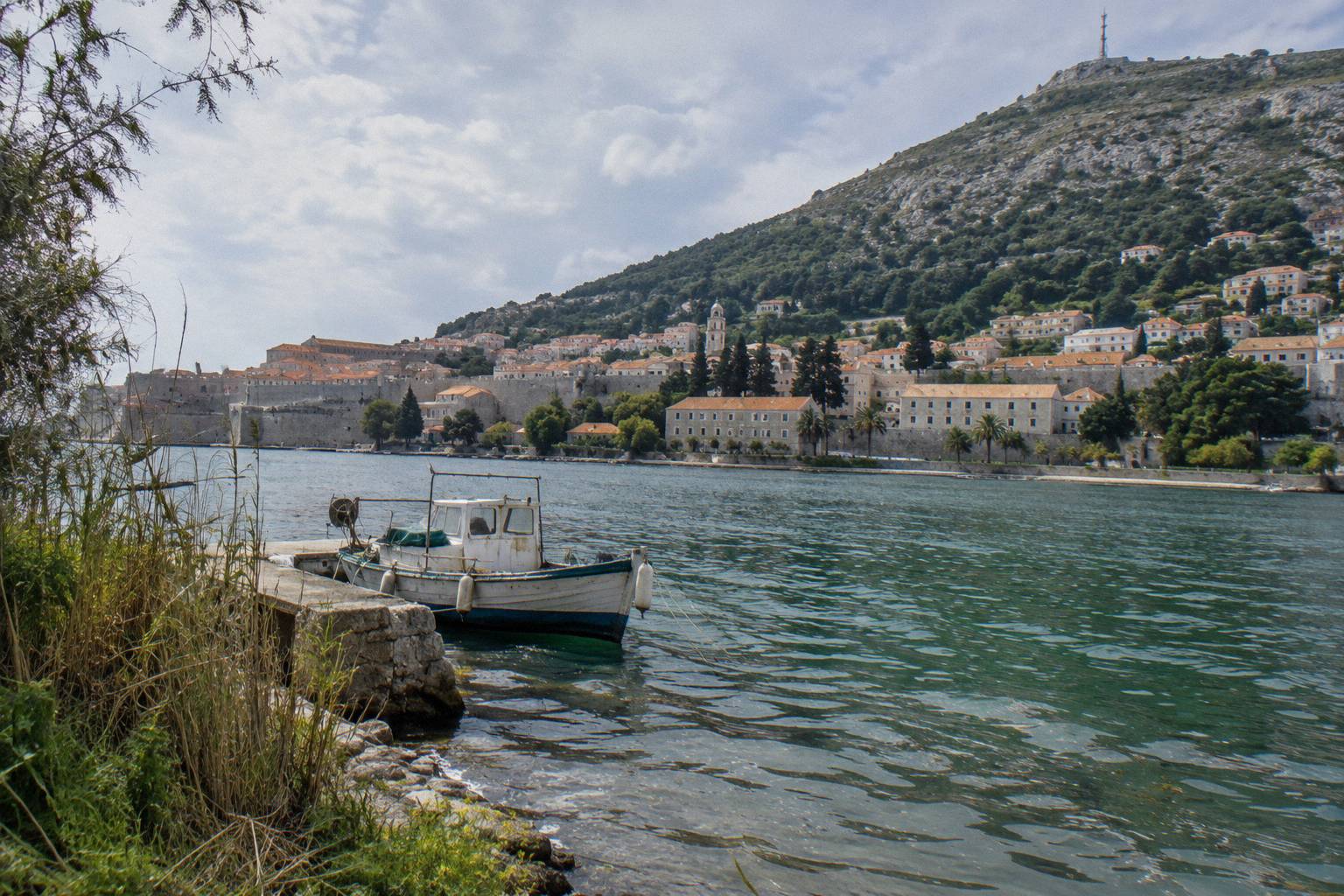
Which Tours Cover Both The Yugoslav Era And The War?
Two tours bridge the two eras directly: the Red History Museum Visit, from €10 per person, covers communist Yugoslavia, and the Half-Day Yugoslav War History tour by Amico Tours, from €178 per person, chains the Red History Museum, the Homeland War Museum and the Ombla River source into one 4-hour guided drive with pickup included and both museum entrances covered.
The half-day tour is the closest thing on this site to a single answer to the question in the title. Its itinerary runs from the Red History Museum, where the Yugoslav system is explained, up to the Homeland War Museum in Fort Imperial on Srd, where the siege is documented, with the Ombla River source on the way and optional stops that can include the Belvedere Hotel ruins and the War Photo Gallery. The vehicle is air-conditioned and pickup and drop-off are included, which matters in a Dubrovnik summer. Two cautions apply. The Belvedere stop, like Kupari, is an exterior viewpoint: the hotel is derelict and there is no entry. And the War Photo Gallery portion only works in season, because the gallery closes November to March.
If you would rather stay on foot, the two private walks split the eras between them. The Walk With Vesna, Group Rate by Walk with Vesna is a 2-hour private walk from €235 per group, led by a guide who was in the city during the siege, covering the Old Town's restoration traces, with an optional cable car trip to Srd and the Homeland War Museum on request. It is rated 5 across 5 reviews, a small sample. Free cancellation applies up to 24 hours ahead.
For the Srd side by car rather than cable car, the Driving Tour, Per Vehicle by INtours Dubrovnik costs from €180 per vehicle for 2 hours, visits the Homeland War Museum in Fort Imperial and front-line defence points of the siege, and is guided by a former Croatian soldier who defended Dubrovnik. Museum entry is not included; the museum charges €5 per adult at the desk. The Homeland War Museum, Transport tour by ROSOTRAVEL Croatia is the alternative: 3 hours, skip-the-line tickets included, private transport to and from Mount Srd in the 3-hour option, from €268.
A comparison table keeps the options straight:
| Tour | Operator | Format And Length | From | Museums Included |
|---|---|---|---|---|
| Red History Museum Visit | Red History Museum | Guided museum visit, 50 min to 1 h 35 min | €10 per person | Red History Museum |
| Half-Day Yugoslav War History | Amico Tours | Guided drive, 4 hours, pickup included | €178 per person | Red History Museum and Homeland War Museum |
| Walk With Vesna, Group Rate | Walk with Vesna | Private walk, 2 hours | €235 per group | None; Srd and museum optional on request |
| Driving Tour, Per Vehicle | INtours Dubrovnik | Private drive, 2 hours | €180 per vehicle | None; museum entry €5 per adult |
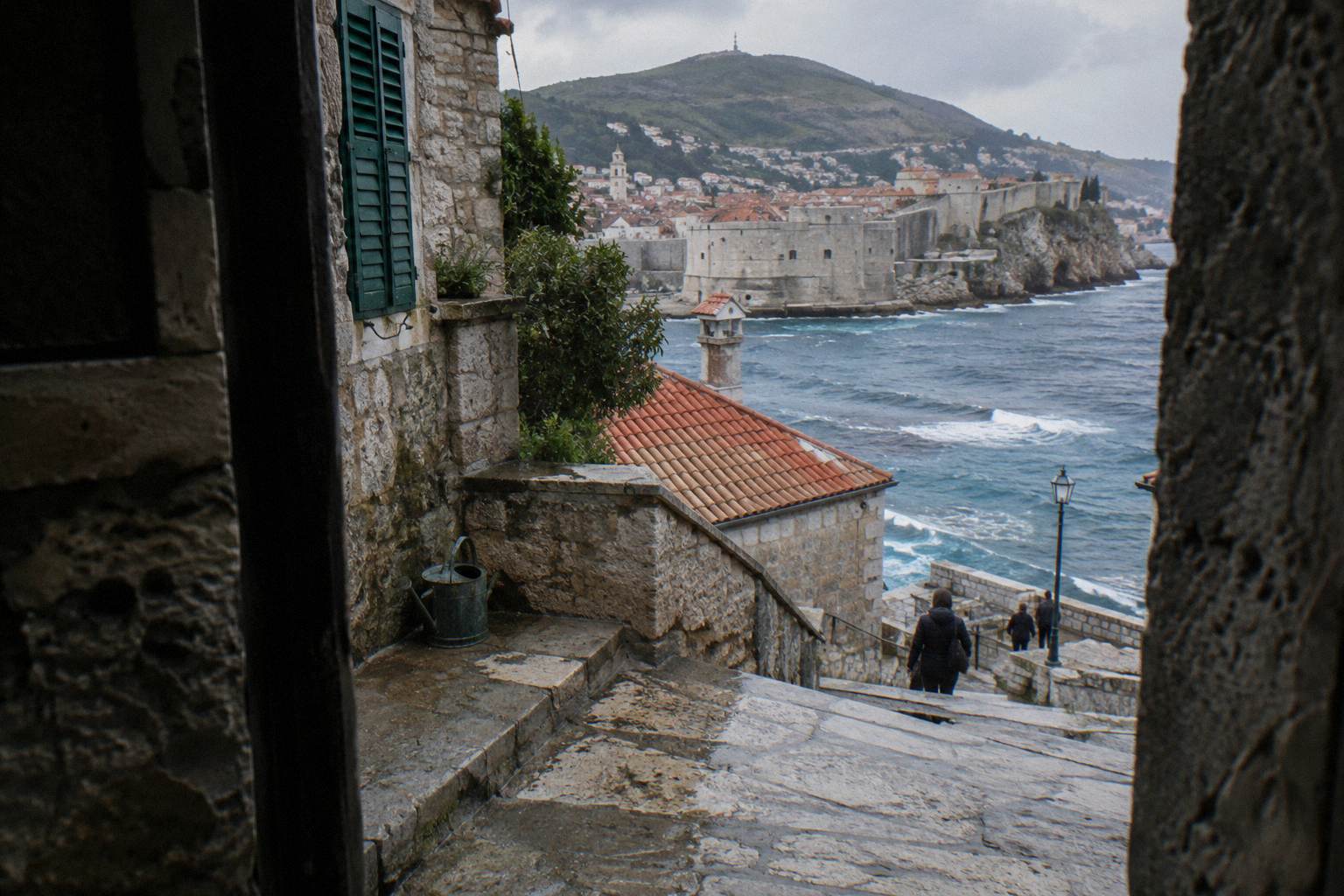
One honest limitation to close this section. None of these tours, and no responsible page, will give you a scholarly account of why the federation broke apart. What they do is put you in the rooms where the Yugoslav era is documented and on the streets and ramparts where the consequences landed, with guides who can answer questions in person. For most visitors, that is the right depth: enough to understand what you are looking at, without venturing into claims that belong in a history faculty rather than a holiday.
Every tour named above offers free cancellation up to 24 hours ahead, so you can commit to one before your flights are fixed and adjust later if the weather or your itinerary shifts. The seasonal pieces, War Photo Limited and the cable car, are the ones to double-check closest to your travel date, since a November arrival changes which itinerary makes sense.
If the question in the title brought you here and the story of the federation itself is what pulls you, start with the Red History Museum walk and add the half-day tour if you want the war years attached to it. If it is the damage and the rebuild that interest you more, the private Old Town walks are the better fit. The picks below are the three this site would point a first-time visitor toward.
Common Questions About Croatia And Yugoslavia
Why Did Croatia Split From Yugoslavia?
Croatia was a republic of socialist Yugoslavia, the federation Josip Broz Tito led after the Second World War. Croatia declared independence on 25 June 1991, and the siege of Dubrovnik followed from 1 October 1991 until it was lifted on 31 May 1992. The deeper political causes are beyond the verified record this site works from, so they are not detailed here.
When Did Croatia Declare Independence?
On 25 June 1991. That is the verified date, and it is the anchor point for everything that followed in Dubrovnik, including the siege that began that October.
How Long Did The Siege Of Dubrovnik Last?
From 1 October 1991 until 31 May 1992, when it was lifted. The heaviest shelling of the Old Town came on 6 December 1991.
Was The Dubrovnik Old Town Rebuilt?
Yes, substantially. About two thirds of the Old Town's buildings were damaged in 1991 and 1992. The site had been inscribed by UNESCO in 1979 and was on the World Heritage in Danger list from 1991 to 1998 during restoration. The city's own restoration record documents the work.
Which Dubrovnik Tour Covers Communist Yugoslavia?
The Red History Museum Visit by Red History Museum, from €10 per person with admission included, rated 4.8 across 206 reviews. The Half-Day Yugoslav War History tour by Amico Tours pairs the same museum with the Homeland War Museum on Mount Srd.
Can You Visit The Homeland War Museum Independently?
Yes. It sits in Fort Imperial on Mount Srd, with adult tickets at €5, students €3 and children under 7 free. Hours are seasonal, so check the day before you go. The cable car, when running, costs €30 for an adult return.