Tito-Era Yugoslavia In Dubrovnik: Where The Communist Years Still Show
Dubrovnik is sold as a medieval walled city, yet its Yugoslav decades left visible marks: a communist-era museum in the Old Town, a military resort being rebuilt at Kupari, and a fortress museum on Mount Srd. Here is where the years after the Second World War still show, and which tours take you there.
Short answer
Dubrovnik's communist years show in three main places: the Red History Museum in the Old Town (from €10 per person, rated 4.8 across 206 reviews), the former Yugoslav military resort at Kupari, now closed and under redevelopment, and Fort Imperial on Mount Srd (adult entry EUR 5). Two guided options cover the Yugoslav angle directly: the Red History Museum Visit and the Half-Day Yugoslav War History tour from €178 per person.
Croatia was one of the republics of socialist Yugoslavia, which Josip Broz Tito led after the Second World War. Croatia declared independence on 25 June 1991, and the siege of Dubrovnik followed, running from 1 October 1991 until it was lifted on 31 May 1992. That compressed history explains why a city marketed as a medieval gem also carries a full set of modern layers: a partisan and socialist past, army holiday resorts on the coast, and war damage stitched into the Old Town itself.
Uplink: this page is part of the site's Dubrovnik Communism Tours coverage; the wider war picture lives in the siege of Dubrovnik 1991 explained guide.
| Quick Fact | Detail |
|---|---|
| Croatia declared independence | 25 June 1991 |
| Siege of Dubrovnik | 1 October 1991 to 31 May 1992 (lifted) |
| Heaviest shelling of the Old Town | 6 December 1991 |
| Old Town UNESCO inscription | 1979; on the danger list 1991 to 1998 |
| Old Town buildings damaged in 1991 to 1992 | About two thirds |
| Cheapest Yugoslav-era tour | Red History Museum Visit, from €10 per person |
| Most reviewed tour on this site | Red History Museum Visit, 4.8 across 206 reviews |
| Currency | Euro, since 1 January 2023 |
What Was Dubrovnik's Place In Socialist Yugoslavia?
Dubrovnik spent almost half a century as a city in socialist Yugoslavia, the federation that Josip Broz Tito led after the Second World War. Its role was largely maritime and touristic: a port, a shipyard town, and a holiday coast where the Yugoslav People's Army built its own resort at Kupari. Croatia declared independence on 25 June 1991, and the war that followed is what most visitors now come to understand.
Beyond that outline, this page keeps to verified ground. The deeper politics of the Yugoslav federation, the causes of its breakup, and the conduct of the war are outside what can be responsibly compressed here; for the breakup question, see why did Croatia split from Yugoslavia. What can be said concretely is what the era left behind in and around Dubrovnik, and those remains are surprisingly visitable.
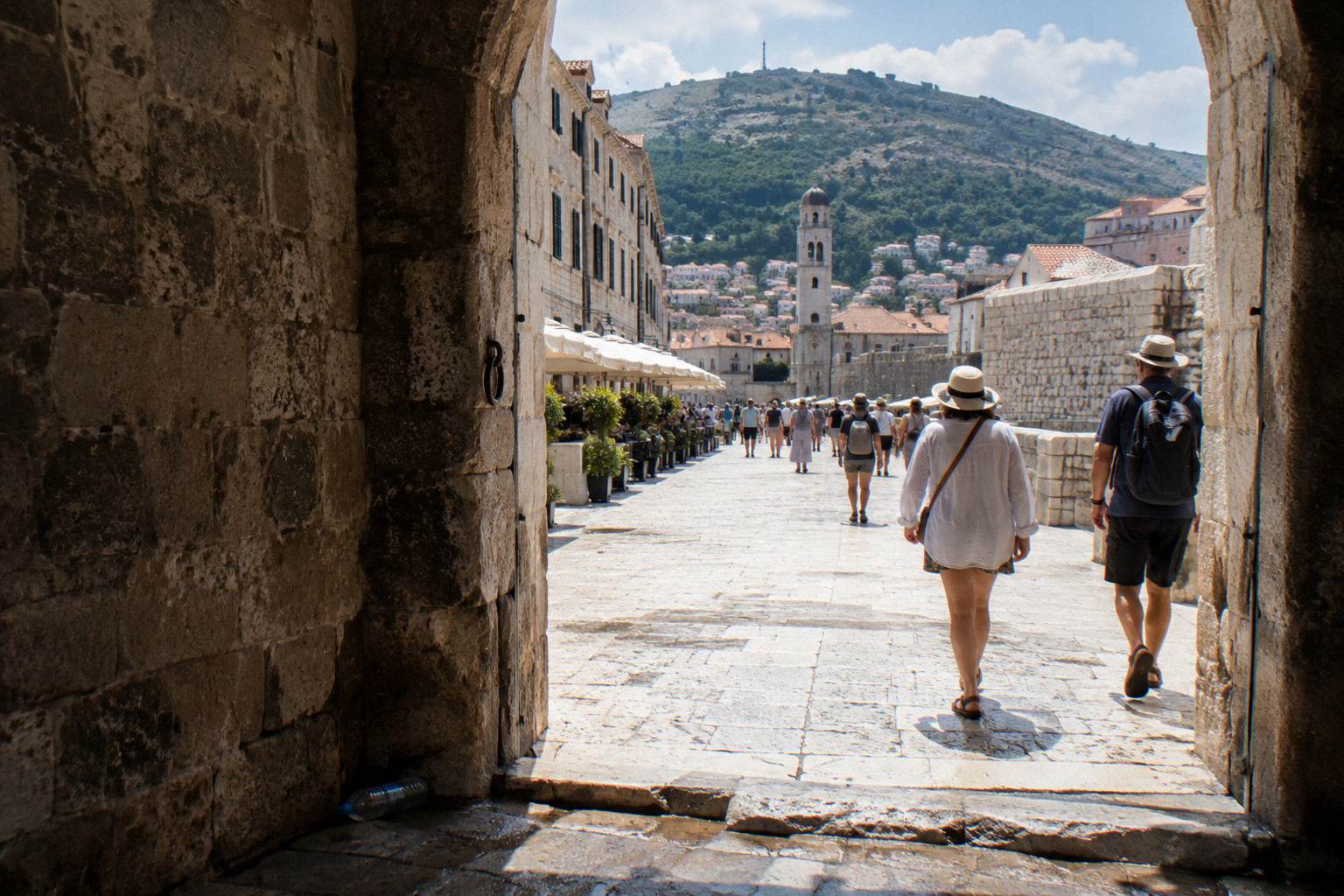
The most visible piece is the Old Town's own record. The historic core was inscribed as UNESCO World Heritage in 1979, at the tail end of the socialist period, and then spent 1991 to 1998 on the World Heritage in Danger list while damage from the siege was repaired. About two thirds of the Old Town's buildings were damaged in 1991 to 1992, and the restoration work that followed is described in detail on the city's own page on the destruction and restoration. Walking the Stradun, you are reading both eras at once: a medieval street grid restored with modern craft in the 1990s.
The second layer sits at Kupari, a few kilometres east of the city, where the Yugoslav People's Army ran a military holiday resort nicknamed "Tito's Hawaii". The third sits on top of Mount Srd, where the Austro-Hungarian Fort Imperial became a museum to the Homeland War. A fourth is portable: the everyday objects and apartments of socialist Yugoslavia, collected at the Red History Museum in the Old Town. Each of these maps onto a different kind of tour, from a museum visit to a private driving day.
For texture on daily life under socialism rather than dates and politics, the companion piece on Yugoslav nostalgia and everyday life in socialist Croatia goes further than a tour itinerary can.
Where Do The Communist Years Still Show In Dubrovnik?
Four places carry the Yugoslav story. The Red History Museum in the Old Town covers everyday socialist life. Kupari, the former army resort, can be viewed only from outside because the site is being redeveloped. Fort Imperial on Mount Srd holds the Homeland War Museum, covering the 1991 to 1992 siege. And the Old Town itself carries restoration traces and war damage you can read on foot with a guide.
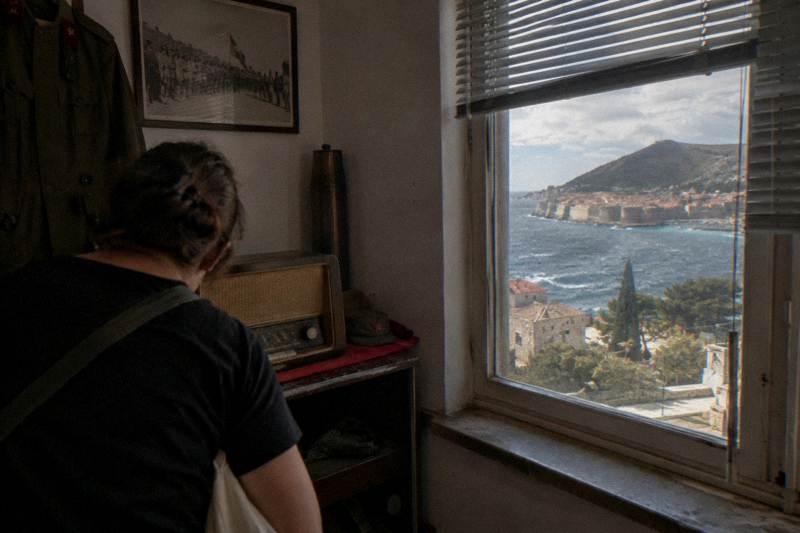
Start with the Red History Museum, because it is the only stop dedicated to the communist period itself. It sits at Ulica Svetog Križa 3 in the Nuncijata area of the Old Town, and its collection reconstructs socialist Yugoslav life through original apartments, objects, and an augmented reality app. Admission is from €10 per person, and the museum's own guided walk is the single most reviewed tour on this site, rated 4.8 across 206 reviews, running 50 minutes to 1 hour 35 minutes. You can check the Red History Museum's own site before you go, though this page prints no opening hours because they change by season.
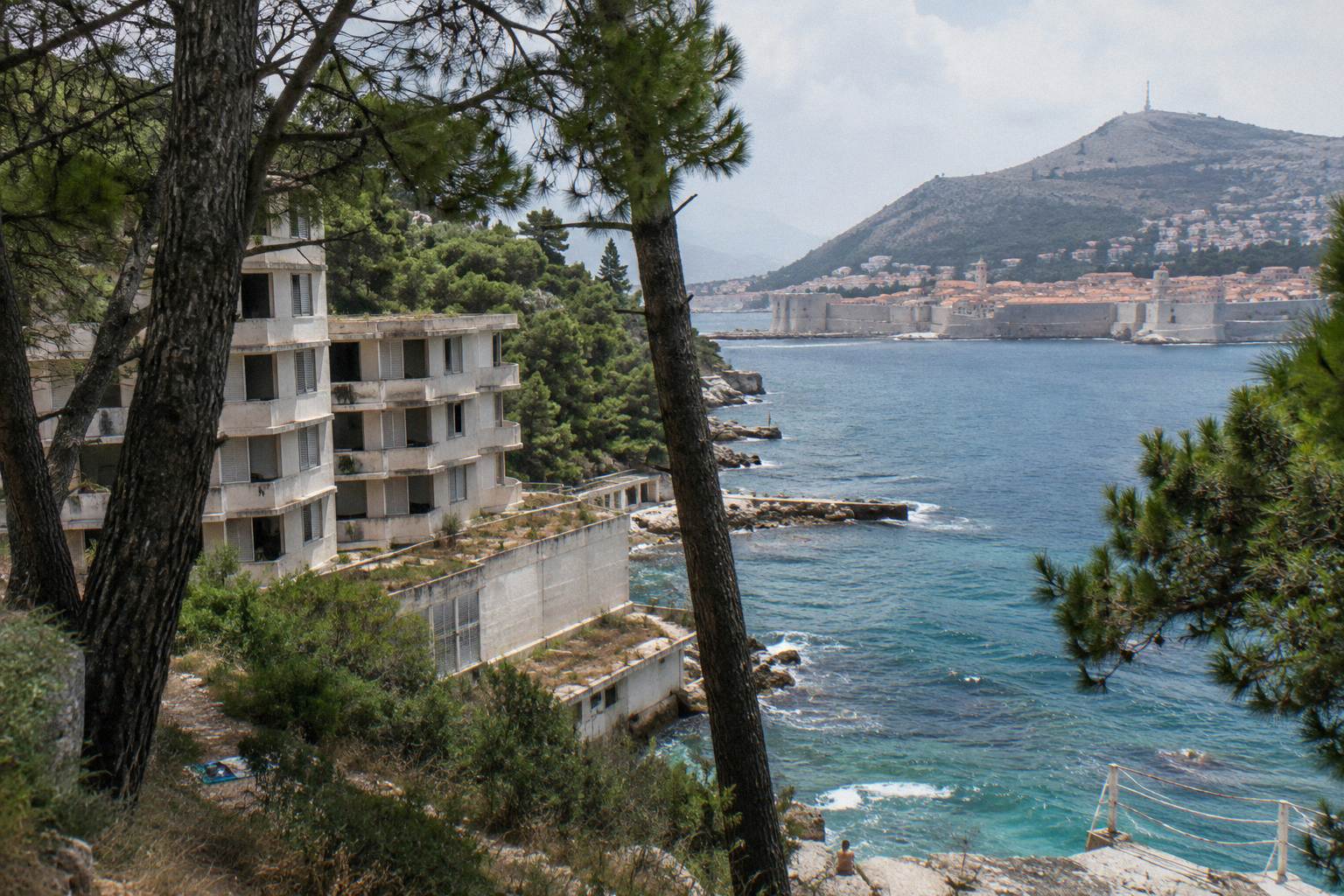
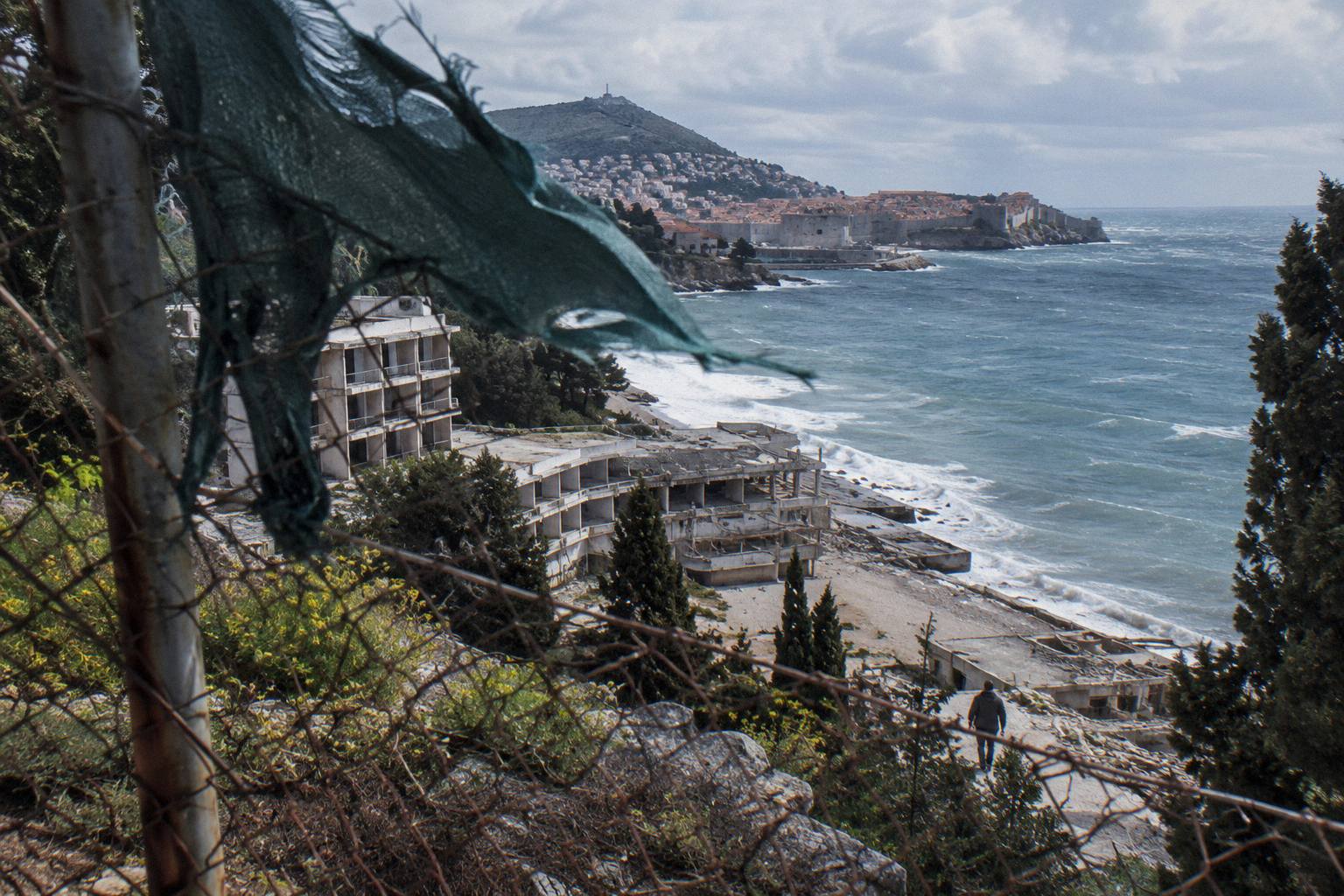
Kupari is the opposite experience: something you see rather than enter. The resort was plundered and damaged in 1991, and in 2025 the ruins were largely demolished, with the protected Grand Hotel excepted, to make way for a luxury redevelopment. There is no public access, and no tour should promise you a walk through the buildings. The Dubrovnik Times covered the transformation in detail. Listings that still advertise Belvedere and Kupari ruins describe them from the road or a viewpoint; treat any promise of entry as out of date.
The Old Town layer is the subtlest. Shell scars from 1991, patched rooftiles, and replacement roofs in fresher orange are scattered across the two thirds of buildings that were damaged. Private walks make these legible: the Controversial History Private Walk by ROSOTRAVEL Croatia (from €129 per person, 2 hours) points out 1991 shell scars on rooftiles and walls, and the Private Walk, 2h30 by My Dubrovnik Tours (from €100 per person) traces war damage from the Ploce to the Pile end of the Old Town, stopping at the Memorial Room of Dubrovnik Defenders, with entrance included. That private walk is rated 5 across 8 reviews, a small number of reviews, and is led by a decorated war veteran who personally witnessed the war.
Mount Srd closes the loop. The Homeland War Museum occupies Fort Imperial at the top of the cable car, and its exhibits cover the defence of Dubrovnik in 1991 to 1992. The full picture of getting up there is in the Mount Srd war history and cable car guide. For planning purposes, here is where each layer sits and what it costs to see.
| Place | Era covered | Access | Cost to see it |
|---|---|---|---|
| Red History Museum, Old Town | Socialist Yugoslavia, everyday life | Museum visit | From €10 per person with admission included |
| Old Town streets and walls | 1991 to 1992 damage and restoration | On foot, self-guided or with a guide | Free to walk; guided walks from €100 per person |
| Fort Imperial, Mount Srd | Homeland War, siege of Dubrovnik | Cable car or road | Adult EUR 5, students EUR 3, under 7 free |
| Kupari | Yugoslav People's Army resort era, 1991 damage | Viewpoint or road only, no public access | No entry possible |
Which Tours Cover The Yugoslav Era And What Do They Cost?
Two tours cover the communist and Yugoslav story directly. The Red History Museum Visit by Red History Museum costs from €10 per person and is the cheapest per-person tour on this site. The Half-Day Yugoslav War History tour by Amico Tours costs from €178 per person and combines the Red History Museum with Fort Imperial, the Ombla River source, and pick-up. Several private walks add the Old Town's war layer on top.
The direct pair first. The Red History Museum Visit is the entry point: short, indoor, and cheap. The Half-Day Yugoslav War History tour by Amico Tours is the full circle, a 4-hour driving day that includes entrance to both the Red History Museum and the Homeland War Museum, air-conditioned transport, pick-up and drop-off, an audio guide in English, Spanish, French, Italian, Portuguese, and German, and a guide along the way. It also offers optional stops at the Belvedere Hotel ruins and the War Photo Gallery, both seen or visited depending on the season, since War Photo Limited closes from November to March.
Around them sit the private options. The Half-Day Yugoslav War History tour is the most expensive per-person tour on this site with a clear price basis, at from €178 per person. The private walks cost less per head and go deeper on the Old Town itself. The Walk With Vesna, Group Rate (from €235 per group, 2 hours, rated 5 across 5 reviews, a small pool) covers the Old Town's restoration traces with a guide who was in the city during the siege, and can add the cable car to Srd and the Homeland War Museum on request, with tickets not included.
Here is the full spread of tours that touch the Yugoslav era or its aftermath, exactly as the operators price them.
| Tour | Operator | Format | Duration | Price |
|---|---|---|---|---|
| Red History Museum Visit | Red History Museum | Guided museum visit | 50 min to 1 h 35 min | From €10 per person |
| Half-Day Yugoslav War History | Amico Tours | Guided driving day | 4 hours | From €178 per person |
| Controversial History Private Walk | ROSOTRAVEL Croatia | Private walk | 2 hours | From €129 per person |
| Private Walk, 2h30 | My Dubrovnik Tours | Private walk | 2 h 30 min | From €100 per person |
| Walk With Vesna, Group Rate | Walk with Vesna | Private walk | 2 hours | From €235 per group |
| Driving Tour, Per Vehicle | INtours Dubrovnik | Private drive | 2 hours | From €180 per vehicle |
Note the price bases: per person, per group, and per vehicle prices are different animals and cannot be compared with each other. Per-group and per-vehicle tours can work out well for a family; per-person tours suit solo travellers and couples.
Every row above offers free cancellation with a 24-hour window, so a wet morning or a change of plans costs nothing if you cancel the day before.
Is The Red History Museum Visit Worth It?
For most visitors, yes: at from €10 per person it is the cheapest way to engage with socialist Yugoslavia in the city, and it is the most reviewed tour on this site, rated 4.8 across 206 reviews. The visit runs 50 minutes to 1 hour 35 minutes, admission is included, and you meet at the museum itself, Ulica Svetog Križa 3 in the Nuncijata part of the Old Town.
The museum's angle is everyday life rather than politics or war. Its rooms reconstruct how people in socialist Yugoslavia actually lived: the apartments they furnished, the objects they owned, the media they consumed, with an augmented reality app layering detail on top of the physical collection. It is self-contained, indoors, and short, which makes it the easiest Yugoslav-era stop to slot into any Dubrovnik itinerary, including a rainy day or a port call. You can check availability on the museum's tour page, and the dedicated museum walk guide on this site covers what the rooms contain.
The honest limit is scope. The museum covers the socialist decades, not the war that ended them, and it does not take you outdoors to the places where the era's end was written. If your interest is the 1991 to 1992 story rather than Tito-era daily life, the museum is a first chapter, not the whole book.
That is exactly the gap the Half-Day Yugoslav War History tour by Amico Tours fills. It starts where the museum stops, adding Fort Imperial and the Homeland War Museum on Mount Srd, the Ombla River source, and optional stops at the Belvedere Hotel ruins and the War Photo Gallery. With pick-up and drop-off included, both museum entrances included, and transport in air-conditioned Mercedes vehicles, it suits travellers who want one booking to cover the whole arc, from socialist life to the siege. At from €178 per person it is a different category of spend from the €10 museum walk, but it replaces two museum tickets, a cable car return (adult EUR 30), and a day of logistics.
For travellers weighing the two, the decision is simple: book the museum walk alone if your time or budget is tight and the socialist period is your focus; book the half-day if you want the war explained in the places where it happened.
How Does The Mount Srd Layer Fit The Yugoslav Story?
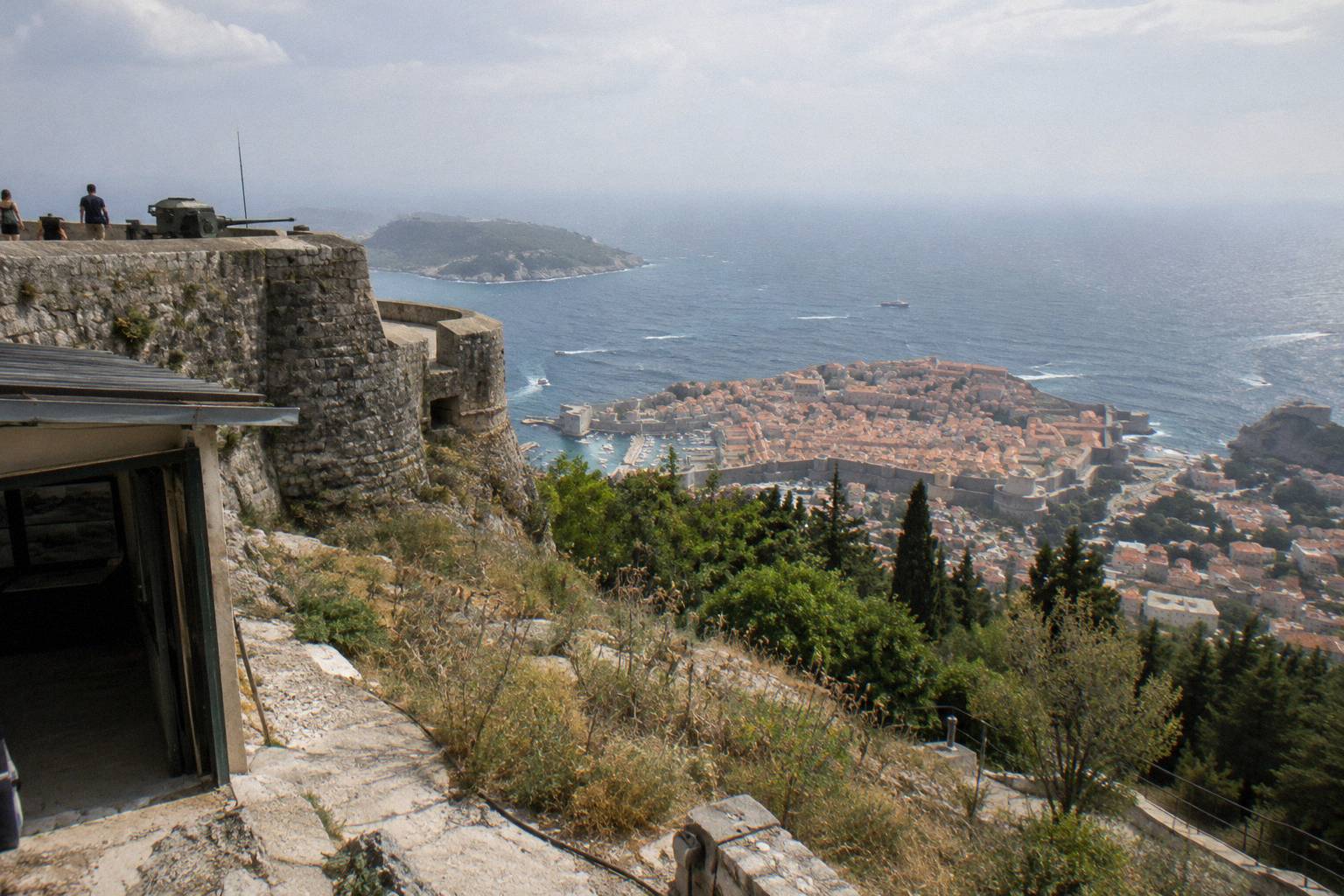
Fort Imperial on Mount Srd holds the Homeland War Museum, which covers the 1991 to 1992 defence of Dubrovnik from inside the fortress that was itself fought over. Adult entry is EUR 5, students EUR 3, and children under 7 go free. Hours are seasonal: 08:30 to 22:00 from April to September, 09:00 to 20:00 in October, and 09:00 to 17:00 from November to March, so check the day before you go.
The fort is a Napoleonic-era structure later used by Austro-Hungarian forces, and its position above the Old Town made it strategically central in 1991. Today the exhibits inside cover the siege and the defence of the city. The official Homeland War Museum site carries the current opening information. Getting there is part of the experience: the cable car rises from just north of the Old Town in about 4 minutes, with an adult return at EUR 30, one-way EUR 17, and a child return (ages 4 to 12) EUR 8, with seasonal hours and some winter closures, so again check the day before you go. The full transport comparison is in the guide to Mount Srd, war history and the cable car.
Several tours bundle the mountain. The Homeland War Museum with Transport by ROSOTRAVEL Croatia runs 3 hours with skip-the-line tickets and private transport to and from Mount Srd included in the 3-hour option, from €268. The Driving Tour, Per Vehicle by INtours Dubrovnik (from €180 per vehicle, 2 hours) covers the Homeland War Museum and front-line defence points of the siege with a former Croatian soldier who defended Dubrovnik; museum entry is not included and costs EUR 5 per person at the museum.
The widest version is the Private War And Heritage Tour Of Mount Srđ by Adriatic Vision, from €150 per person and 4 to 5 hours long, which strings together Mount Srd and the Imperial Fortress War Museum, the Hotel Belvedere and Kupari, Old Town memorials, and War Photo Limited, with a minimum age of 10. Two cautions apply: Belvedere and Kupari are viewed from outside only, since neither is open to the public, and War Photo Limited is closed from November to March, so the itinerary varies with the season.
Can You Still Visit Kupari And The Hotel Belvedere?
Only from the outside. Kupari, the former Yugoslav People's Army resort nicknamed "Tito's Hawaii", was largely demolished in 2025 apart from the protected Grand Hotel, and the site is being redeveloped as a luxury resort with no public access. The Hotel Belvedere is likewise closed. Tours that include them, such as the Private War And Heritage Tour Of Mount Srđ, stop at viewpoints or describe them from the road.
This matters because older write-ups online still describe Kupari as a walkable ruin field. That description is no longer accurate. The resort was built for the Yugoslav military in the socialist decades, damaged in 1991, and stood abandoned for years before demolition equipment moved in. If the abandoned-hotel story is what draws you, the honest way to see it now is a viewpoint stop or the photographs in the Kupari abandoned hotels guide and the Hotel Belvedere guide on this site. There is no urbex route worth planning around, and none should be attempted: the site is an active redevelopment.
What you can still do is understand it in context. The Half-Day Yugoslav War History tour offers the Belvedere Hotel ruins as an optional stop, seen from outside. The Private War And Heritage Tour Of Mount Srđ by Adriatic Vision includes both Kupari and Belvedere in its 4 to 5 hour itinerary, again from viewpoints. Both pair these stops with museum visits that explain what you are looking at, which is more than a fence-side photo stop delivers on its own.
What About The Old Town's Own War Traces?
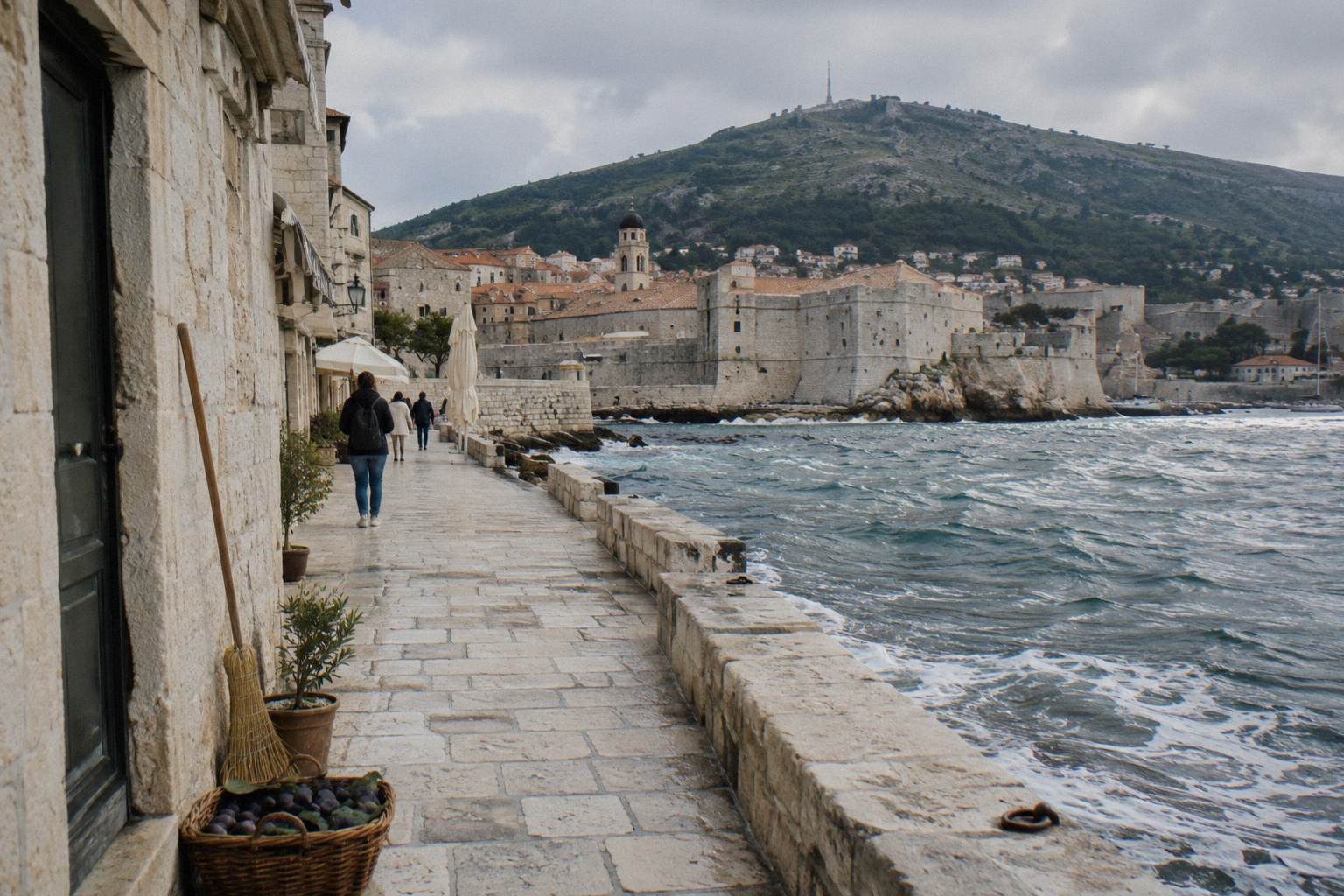
The Old Town itself is the fourth stop. About two thirds of its buildings were damaged in 1991 to 1992, with the heaviest shelling on 6 December 1991, and the scars and restoration work are still readable on rooftiles and walls. Private walks make them legible in 2 to 2.5 hours, priced from €100 per person.
Three private walks cover this ground with different emphases. The Private Walk, 2h30 by My Dubrovnik Tours runs from the Ploce to the Pile gates past war-damage sites and stops at the Memorial Room of Dubrovnik Defenders with entrance included; it is rated 5 across 8 reviews, a small number, and led by a decorated war veteran who personally witnessed the war. The Controversial History Private Walk by ROSOTRAVEL Croatia (from €129 per person) focuses on the shell scars still visible on rooftiles and walls, with a licensed private guide. The Walk With Vesna, Group Rate (from €235 per group, rated 5 across 5 reviews, again a small pool) covers restoration traces with a guide who was in the city during the siege.
A related option adds photography: the War Photo Limited, Lovrjenac tour by ROSOTRAVEL Croatia (from €140 per person, 3 hours) includes tickets to War Photo Limited and skip-the-line entry to Lovrjenac Fortress in the 3-hour option, walking Minceta Tower, Buza Gate, Pile Gate, and the West Harbour along the way. Remember that War Photo Limited closes from November to March, which makes this a seasonal tour; adult entry bought separately is EUR 10 and student entry EUR 6.
The cheapest and most-reviewed entry point remains the Red History Museum Visit by Red History Museum at from €10 per person, rated 4.8 across 206 reviews; the private walks above add the outdoor story that the museum cannot show. If you want help deciding between a shared and a private format, see private vs group Dubrovnik war tours.
The decision matrix below condenses everything above.
| If you want... | Book this | Price |
|---|---|---|
| Everyday socialist life, cheap and short | Red History Museum Visit (Red History Museum) | From €10 per person |
| The full arc, museum plus fortress, with pick-up | Half-Day Yugoslav War History (Amico Tours) | From €178 per person |
| Old Town shell scars with a licensed guide | Controversial History Private Walk (ROSOTRAVEL Croatia) | From €129 per person |
| War-damage sites with a veteran guide | Private Walk, 2h30 (My Dubrovnik Tours) | From €100 per person |
| Kupari and Belvedere viewpoints plus museums | Private War And Heritage Tour Of Mount Srđ (Adriatic Vision) | From €150 per person |
What Mistakes Do Visitors Make Planning A Yugoslav-Era Visit?
The three recurring mistakes are planning around places that no longer admit visitors, forgetting that War Photo Limited closes from November to March, and comparing prices with different bases. Kupari and Belvedere have no public access, the photo gallery is seasonal, and per-person, per-group, and per-vehicle prices cannot be ranked against each other.
The first mistake is the costliest because it wastes a day. Kupari's ruins were largely demolished in 2025, and older blog posts and videos still describe wandering through them. If a plan depends on entering the buildings, it will fail. Book a tour that honestly frames Kupari as a viewpoint stop, or skip it in favour of Fort Imperial, which is open and costs EUR 5.
The second mistake is seasonal. War Photo Limited, which several itineraries include, closes every year from November to March, and its hours shift between April, October, and the May to September peak. A November booking of the War Photo Limited, Lovrjenac tour or the Private War And Heritage Tour Of Mount Srđ will have a different itinerary from a July one. Check the day before you go on the museum's visiting page.
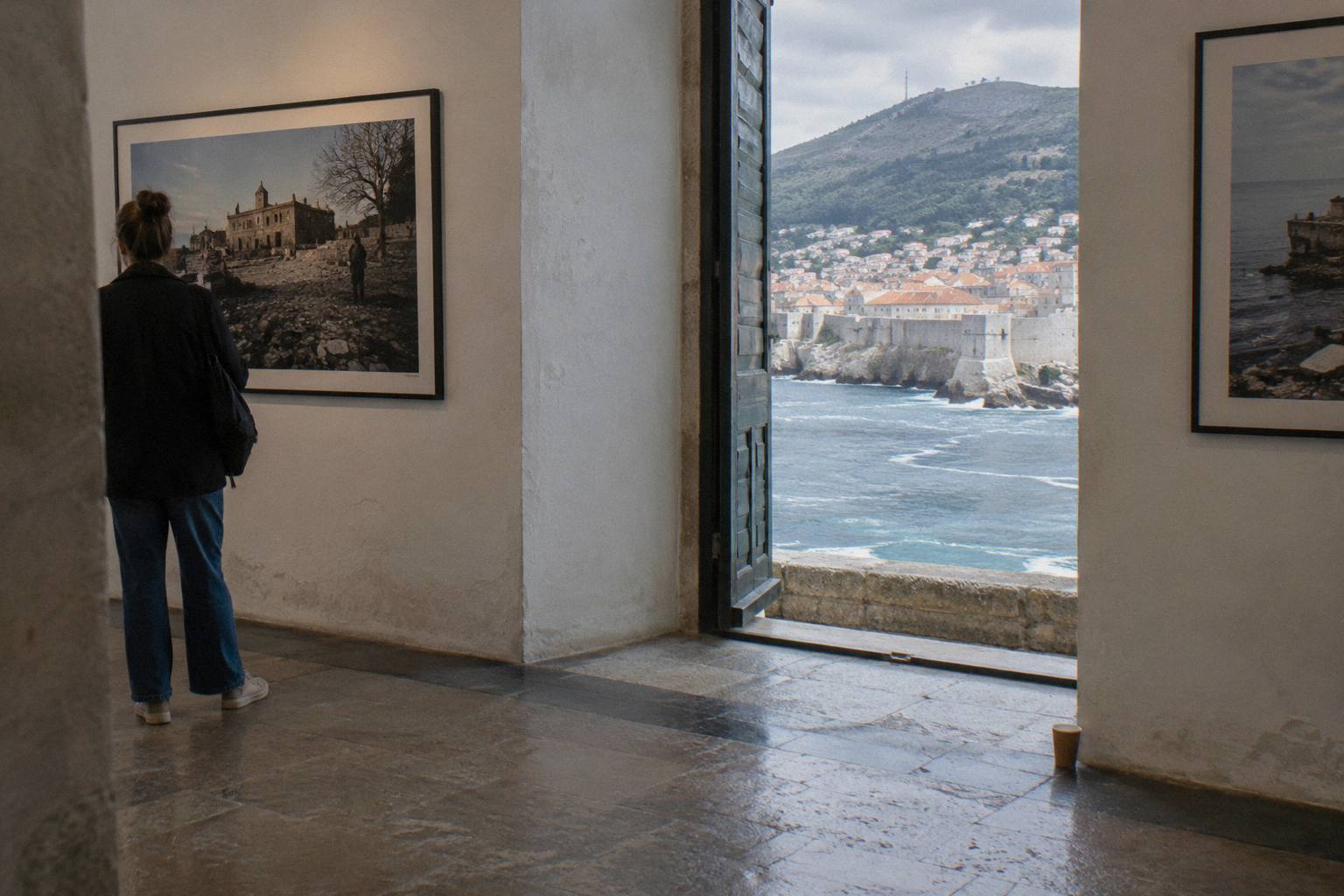
The third mistake is arithmetic. The Driving Tour, Per Vehicle by INtours Dubrovnik at from €180 per vehicle and the Walk With Vesna, Group Rate at from €235 per group are private prices for a whole party; the from €178 per person Half-Day Yugoslav War History tour scales with headcount. A family of four compares very differently on these rows than a solo traveller does, and no single "cheapest" ranking survives that change of lens. The only clean per-person claim is the Red History Museum Visit at from €10.
Two smaller traps round out the list: expecting the Homeland War Museum's hours to be uniform (they run 08:30 to 22:00 in the April to September season but 09:00 to 17:00 in winter), and assuming museum tickets are included when they are not on the INtours driving row, where entry costs EUR 5 per person at the museum. When in doubt, the inclusions on each booking page settle it.
For the wider practical picture, the Dubrovnik war tour guide collects everything across the categories, and the war history timeline 1991 to 1992 gives the verified chronology in order.
Common Questions About Communist-Era Dubrovnik
Is There A Communist Era Dubrovnik Tour?
Yes. The Red History Museum Visit by Red History Museum covers everyday life in socialist Yugoslavia from €10 per person, and the Half-Day Yugoslav War History tour by Amico Tours pairs that museum with Fort Imperial from €178 per person, with pick-up included.
What Was Dubrovnik Like Under Yugoslavia?
Croatia was one of the republics of socialist Yugoslavia, which Josip Broz Tito led after the Second World War. Dubrovnik was a port and holiday city; the Yugoslav People's Army even ran its own resort at Kupari, nicknamed "Tito's Hawaii". Croatia declared independence on 25 June 1991, and the siege followed.
Can You Visit The Kupari Ruins?
No. The ruins were largely demolished in 2025, with the protected Grand Hotel excepted, and the site is being redeveloped as a luxury resort with no public access. Tours such as the Private War And Heritage Tour Of Mount Srđ include Kupari only as a viewpoint stop.
How Much Does The Red History Museum Cost?
The museum's guided walk is from €10 per person with admission included, rated 4.8 across 206 reviews, lasting 50 minutes to 1 hour 35 minutes. The meeting point is the museum itself, Ulica Svetog Križa 3 in the Old Town's Nuncijata area.
Is War Photo Limited Open Year-Round?
No. It is open 10:00 to 17:00 in April and October, 10:00 to 22:00 from May to September, and closed from November to March. Adult entry is EUR 10 and student entry EUR 6, so any tour that includes it is seasonal.
How Much Is The Homeland War Museum On Mount Srd?
Adult entry is EUR 5, students pay EUR 3, and children under 7 go free. Hours are seasonal, 08:30 to 22:00 from April to September and shorter in winter, so check the day before you go. The cable car up costs EUR 30 adult return.