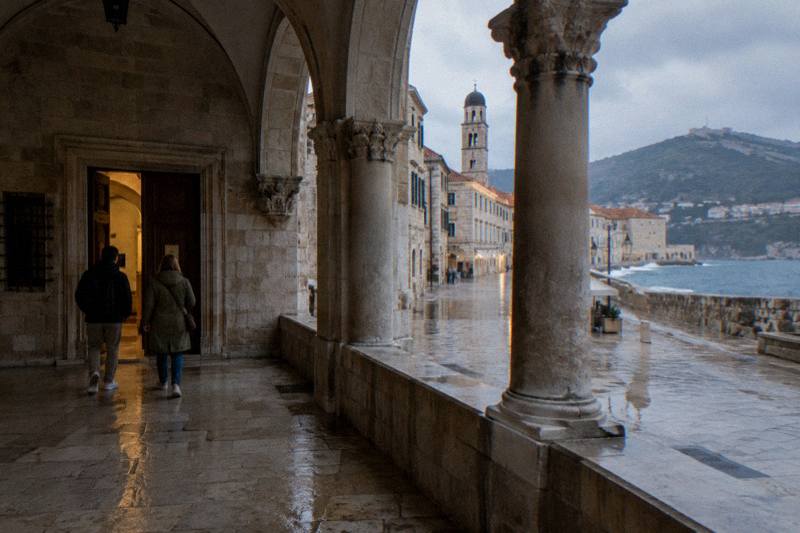
Dubrovnik War Damage: Shell Marks In The Old Town And The Damage Map
About two thirds of the buildings inside Dubrovnik's Old Town were damaged in 1991 and 1992, and the heaviest shelling came on 6 December 1991. Most of it was rebuilt, but careful eyes still find the traces. This page explains what was hit, where the marks survive, and which tours point them out.
Short answer
About two thirds of Old Town buildings were damaged during the siege of Dubrovnik, which ran from 1 October 1991 to 31 May 1992, with the heaviest shelling on 6 December 1991. Restoration replaced most roofs and stones, so shell marks are subtle today: patched roof tiles, newer stone, and memorial plaques. Walking tours such as the Private Walk, 2h30 from My Dubrovnik Tours show them.
This is the hub page for the war-damage side of Dubrovnik Communism Tours. For the wider picture, start with the siege of Dubrovnik explained page; this one stays close to the stones.
| Fact | Figure |
|---|---|
| Siege dates | 1 October 1991 to 31 May 1992 |
| Heaviest shelling of the Old Town | 6 December 1991 |
| Old Town buildings damaged in 1991 and 1992 | About two thirds |
| Old Town UNESCO World Heritage inscription | 1979 |
| On the World Heritage in Danger list | 1991 to 1998 |
| Croatia declared independence | 25 June 1991 |
| Homeland War Museum adult ticket | EUR 5 |
What Happened To Dubrovnik's Old Town In 1991?
Dubrovnik's Old Town, a UNESCO World Heritage Site since 1979, was shelled during the siege that ran from 1 October 1991 to 31 May 1992. The heaviest shelling fell on 6 December 1991. About two thirds of the buildings inside the walls were damaged across 1991 and 1992, and UNESCO placed the site on its World Heritage in Danger list from 1991 to 1998.
Croatia was one of the republics of socialist Yugoslavia, which Josip Broz Tito led after the Second World War. Croatia declared independence on 25 June 1991, and the siege followed. This page does not go into the wider politics of the conflict; the why did Croatia split from Yugoslavia piece covers that background from the verified record.
What matters here is the physical aftermath. The Old Town is a dense grid of stone houses, palaces, churches, and public buildings packed inside medieval walls, and the damage was spread across that fabric rather than concentrated in one corner. Roofs bore the brunt: the terracotta tiles that give Dubrovnik its famous skyline were shattered across much of the city, and much of what you see today is replacement tile laid during the years of restoration that followed the war. The city's own account of the destruction and the restoration programme is published on the official Dubrovnik page on the destruction of the Old City, and the international dimension of the response is recorded by UNESCO's World Heritage Centre, which tracked the danger listing and the recovery.
Because the restoration was so extensive, the term "damage map" means something different in Dubrovnik than it might in a city left with visible ruins. There is no zone of collapsed buildings inside the walls. Instead, the map is a layer of small differences: a patch of brighter tiles on one roof slope, a column of paler stone in a facade, a memorial plaque beside a doorway. Learning to read that layer is the whole skill, and it is why a guided walk changes the experience so much.
Where Can You Still See Shell Marks In Dubrovnik's Old Town?
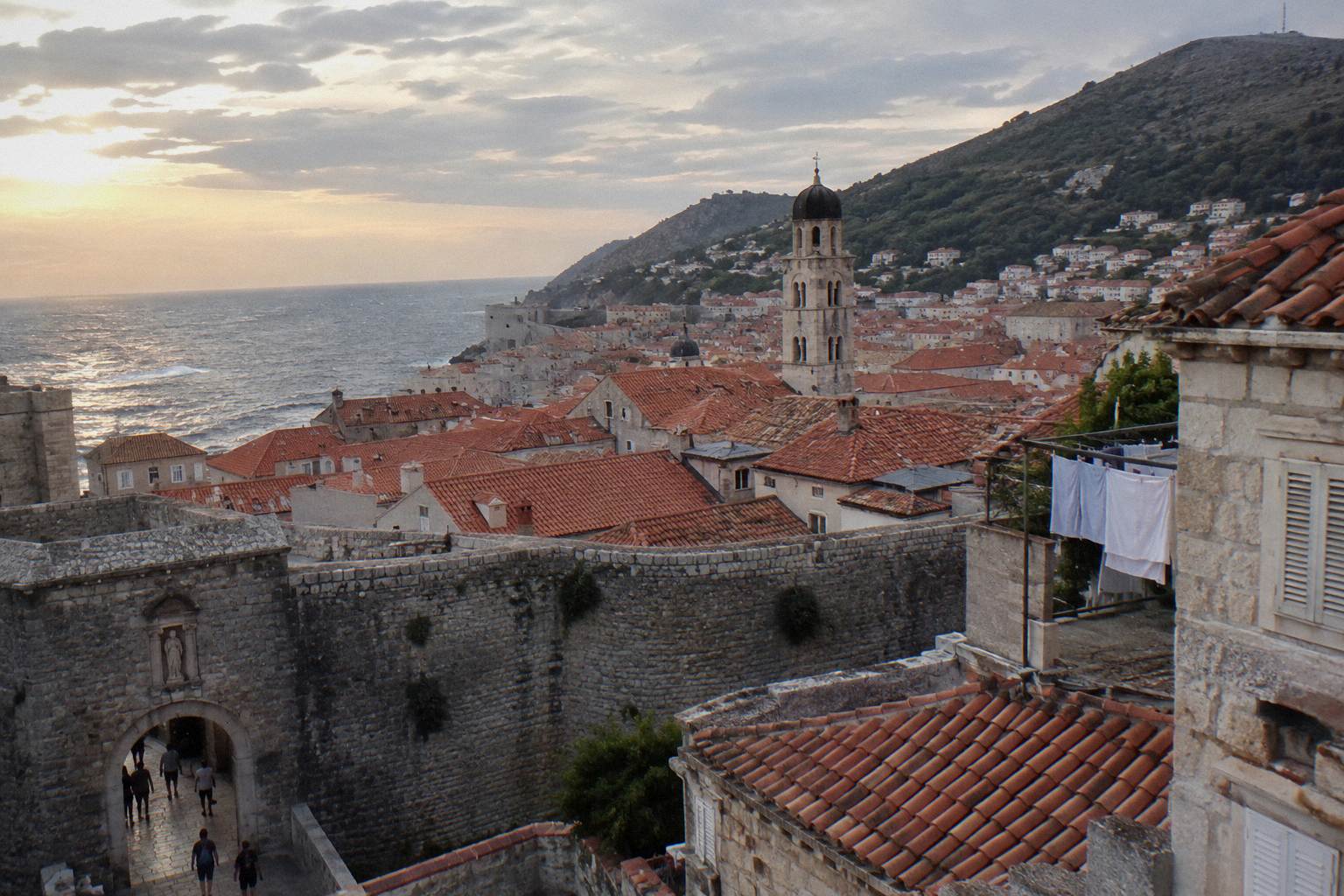
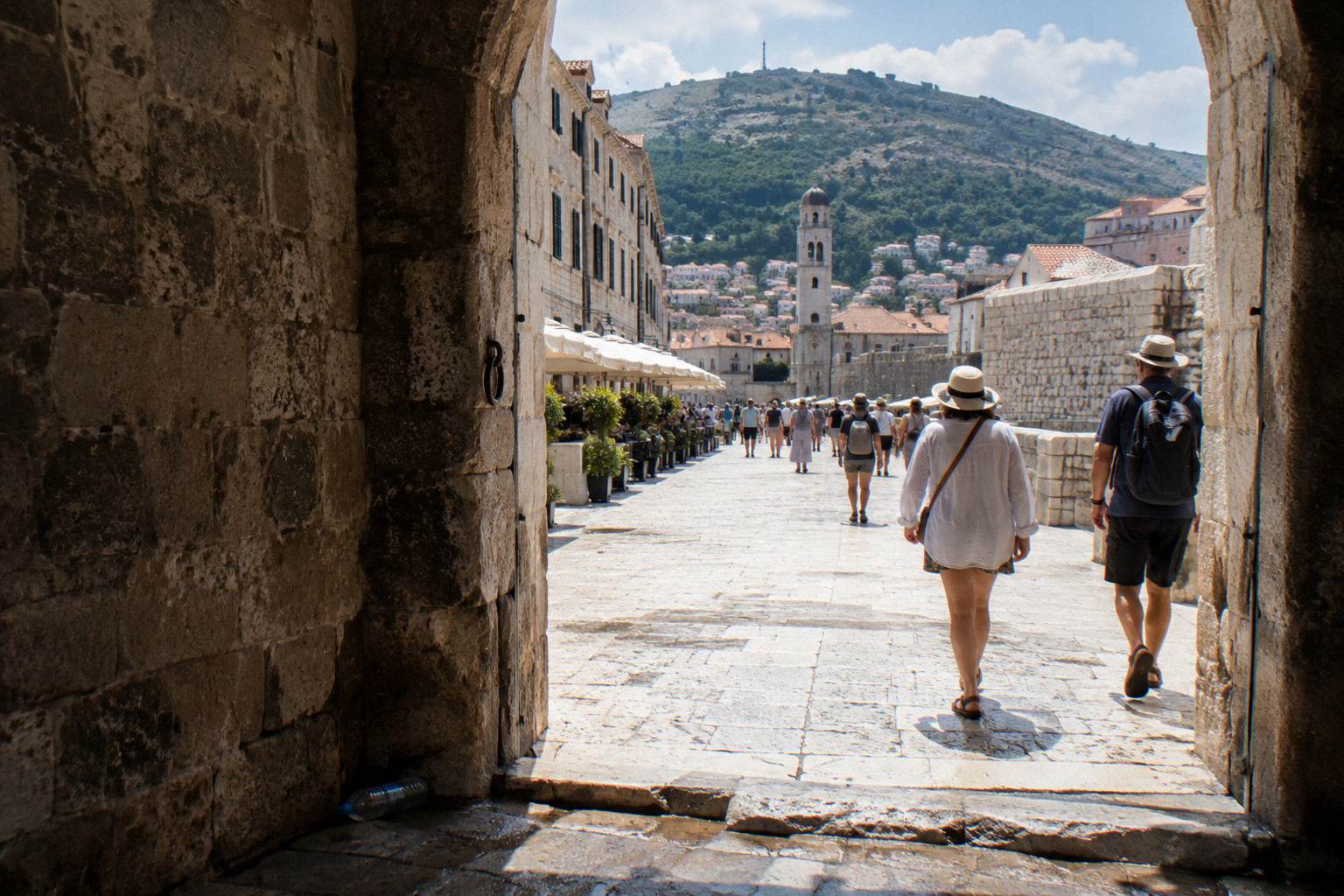
The marks survive in three main forms: patched and replaced roof tiles visible from the walls or higher ground, replacement stone in facades along the main streets between Pile Gate and Ploce Gate, and memorial plaques on buildings that were hit. The traces are subtle from street level, which is why the walking tours that name the war-damage sites explicitly are the reliable way to find them.
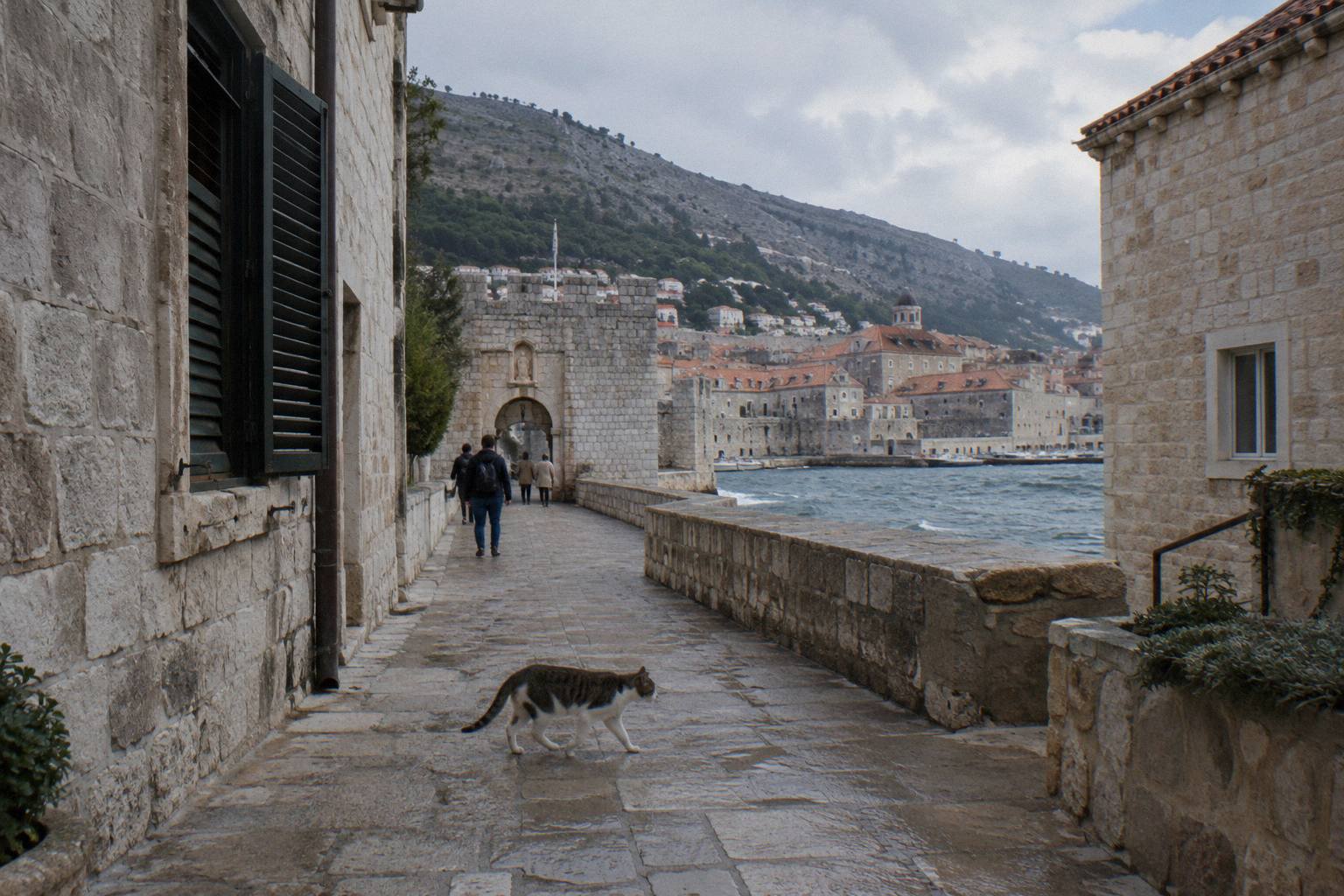
The Old Town walking products are the ones built for this hunt. The Private Walk, 2h30 from My Dubrovnik Tours runs from the Ploce side of the Old Town to the Pile side, stopping at war-damage sites and the Memorial Room of Dubrovnik Defenders, with entrance to the Memorial Room included. It is led by a decorated war veteran who personally witnessed the war, it runs 2 hours 30 minutes in total, it costs from €100 per person, and it carries a rating of 5 across 8 reviews, a small number of reviews. Free cancellation applies up to 24 hours before the start.
The Controversial History Private Walk from ROSOTRAVEL Croatia takes a narrower angle: the rooftiles and walls that still show 1991 shell scars, over 2 hours, with a licensed private guide, from €129 per person. It also offers free cancellation up to 24 hours ahead. And the Walk With Vesna, Group Rate from Walk with Vesna is a private 2-hour walk focused on the restoration traces, led by a guide who was in the city during the siege, priced from €235 per group, rated 5 across 5 reviews, again a small pool. On request, that walk can extend to the cable car and the Homeland War Museum on Mount Srd, though museum tickets are not included in the base price.
All three are private walks, which matters for this particular subject. Shell marks do not announce themselves. A private format means the guide sets the pace around what you stop to photograph, and there is room to ask the questions a group of twenty would swallow. A full breakdown of how the private and shared formats compare is in the private versus group Dubrovnik war tour guide.
One practical note on where the marks read best. From the Stradun itself, facades look uniform because the restoration matched the original stone so closely. The patched roofs tell a clearer story, and they read best from elevation: from the city walls, from higher lanes on the north side of the Old Town, or from across the bay. The what you see on a Dubrovnik war tour page covers the different vantage points in more detail.
Which Tours Show The Old Town's War Damage Best?
For the damage sites specifically, the Old Town walking rows are the products to book: the Private Walk, 2h30 from My Dubrovnik Tours, the Walk With Vesna, Group Rate, and the Controversial History Private Walk from ROSOTRAVEL Croatia. Each names war damage or restoration traces in its stops, each runs about two to two and a half hours, and each includes free cancellation up to 24 hours ahead.
The differences between them come down to framing. The My Dubrovnik Tours walk is the most direct match for this page: its stops are the Old Town's war-damage sites from the east to the west gates, plus the Memorial Room of Dubrovnik Defenders, and the guide's own wartime experience is the lens. The Walk with Vesna row is built around restoration traces, with the siege remembered from inside the city. The ROSOTRAVEL walk is the most architecture-focused of the three, reading the scars on rooftiles and walls with a licensed guide.
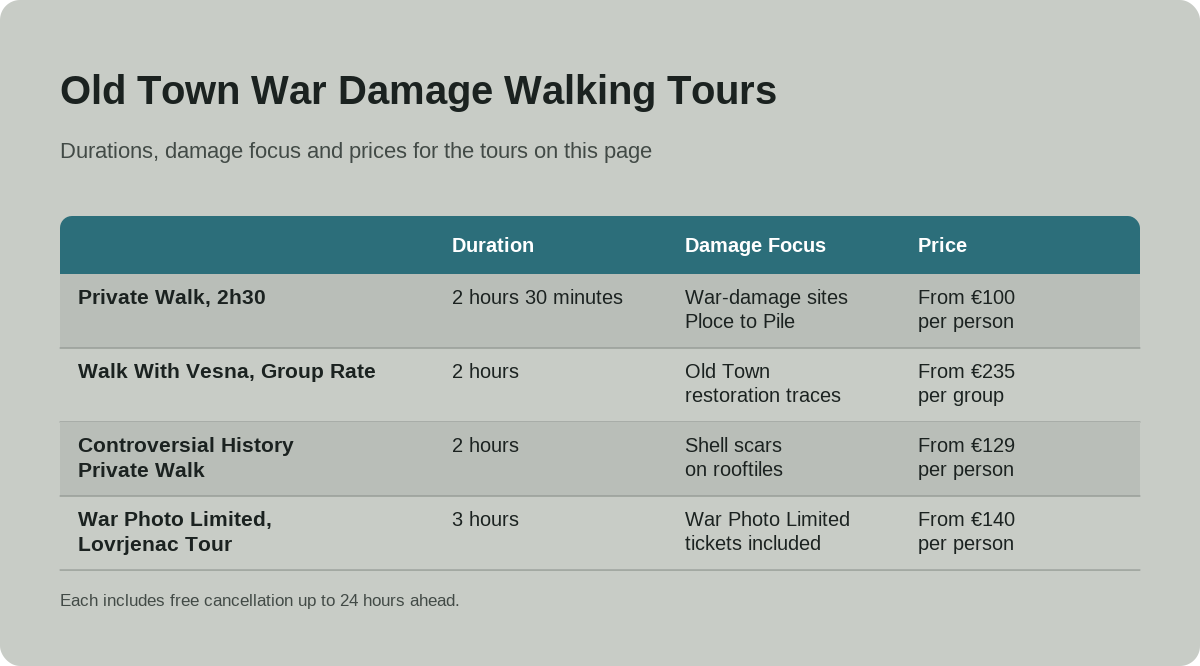
| Walking tour | Duration | Damage focus | Price | Rating |
|---|---|---|---|---|
| Private Walk, 2h30 (My Dubrovnik Tours) | 2 hours 30 minutes | War-damage sites Ploce to Pile, Memorial Room included | From €100 per person | 5 across 8 reviews |
| Walk With Vesna, Group Rate (Walk with Vesna) | 2 hours | Old Town restoration traces | From €235 per group | 5 across 5 reviews |
| Controversial History Private Walk (ROSOTRAVEL Croatia) | 2 hours | Shell scars on rooftiles and walls | From €129 per person | Rating and reviews not stated |
A fourth option sits adjacent: the War Photo Limited, Lovrjenac tour from ROSOTRAVEL Croatia, a 3-hour private walk from €140 per person with War Photo Limited tickets included and skip-the-line Lovrjenac Fortress entry in the 3-hour option only. It adds the photographic record of conflict to the physical one. Note the seasonality: War Photo Limited is open April to October only and closed November to March, so any visit that includes it has to sit inside those months.
If your dates fall between April and October and photography deepens the subject for you, the combination of Old Town scars plus the exhibit at War Photo Limited covers the damage from both ends: what the shells did to the stone, and what the cameras recorded while it happened. A deeper look at that museum is in the War Photo Limited Dubrovnik museum guide.
What Does A "Dubrovnik Damage Map" Actually Show?
A useful damage map of Dubrovnik does not mark ruins, because there are none left inside the walls: it marks where damage occurred and was later repaired. The anchors on record are the siege window from 1 October 1991 to 31 May 1992, the concentrated shelling of 6 December 1991, and the fact that about two thirds of Old Town buildings were hit. The pattern to imagine is near-total roof damage scattered evenly, not a blast zone.
This is why the word "map" misleads people. Visitors arrive expecting a marked route of holes and craters, the kind of trail some other European cities offer. Dubrovnik rebuilt. The city's restoration programme replaced roofs, repaired facades, and returned the skyline to its pre-war profile so faithfully that the Old Town came off the danger list in 1998. What a map can honestly show today is the footprint of that repair: which streets absorbed damage, where reconstruction replaced original fabric, and where plaques now record what happened.
Two honest cautions follow from that. First, there is no verified public count of individual shell marks still visible, so treat any specific number you read elsewhere with suspicion. Second, the marks that do remain are best described by the people who point them out for a living. The stops on the My Dubrovnik Tours walk, the Ploce to Pile war-damage sites, are exactly the anchors a self-guided version of this map would use: start at one gate, work the length of the Old Town, and end at the other.
If you want to see how the trail connects to the timeline, the Dubrovnik war history timeline 1991 to 1992 page lines up the verified dates against the places where each phase is still legible.
How Was The Old Town Restored After The War?
The restoration ran through the 1990s under international scrutiny: UNESCO kept Dubrovnik on the World Heritage in Danger list from 1991 until 1998, and the Old Town was removed once repairs to roofs and facades were far enough along. The work used traditional materials and craft methods, which is why replacement stone and tile now blend with the original fabric and why the damage is easy to miss.
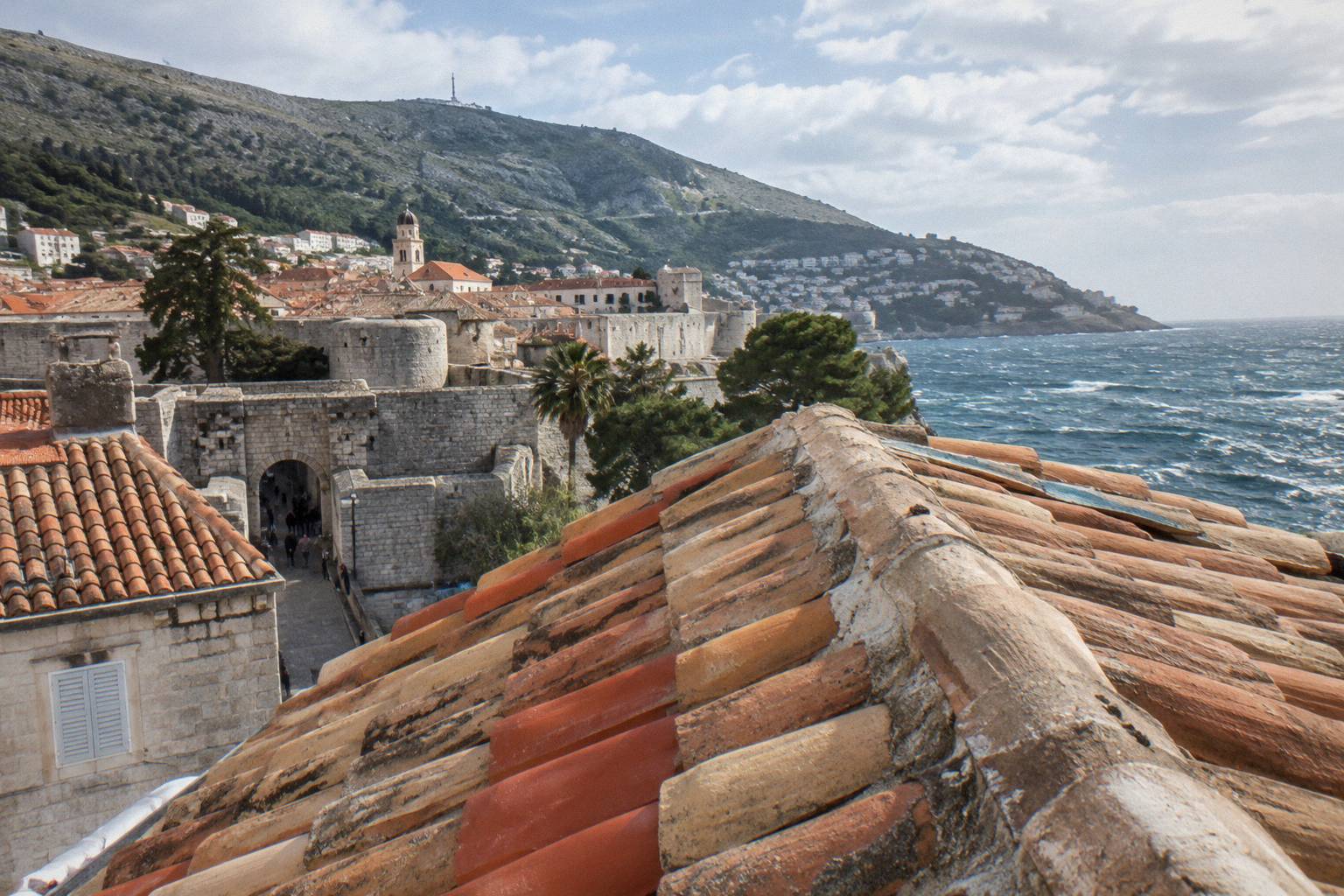
The approach was deliberate. Rather than rebuilding in modern materials, the programme sourced matching terracotta and cut new limestone to the old profiles, so the city looks continuous with its pre-1979 self, the year of its World Heritage inscription. The trade-off is legibility: the better the repair, the harder the story is to read on your own. A roof that is half original tile and half 1990s replacement reads as "old tiles" to almost everyone walking below it.
That trade-off is the quiet argument for the guided rows on this page. The Walk With Vesna, Group Rate is named for exactly this subject, the restoration traces, and a guide who was in the city during the siege can point to the seams between old and new stone that an untrained eye slides straight past. The same applies on the ROSOTRAVEL walk, where reading scars on rooftiles and walls is the stated theme.
The restoration story also explains the museum landscape. The Memorial Room of Dubrovnik Defenders, included on the My Dubrovnik Tours walk, holds the city's own record of the period, and the Homeland War Museum on Mount Srd holds the wider one. Between them and the repaired fabric of the Old Town itself, the damage and the recovery are documented at three levels: memorial, museum, and masonry.
Is Mount Srd Worth Adding To A Damage-Focused Visit?
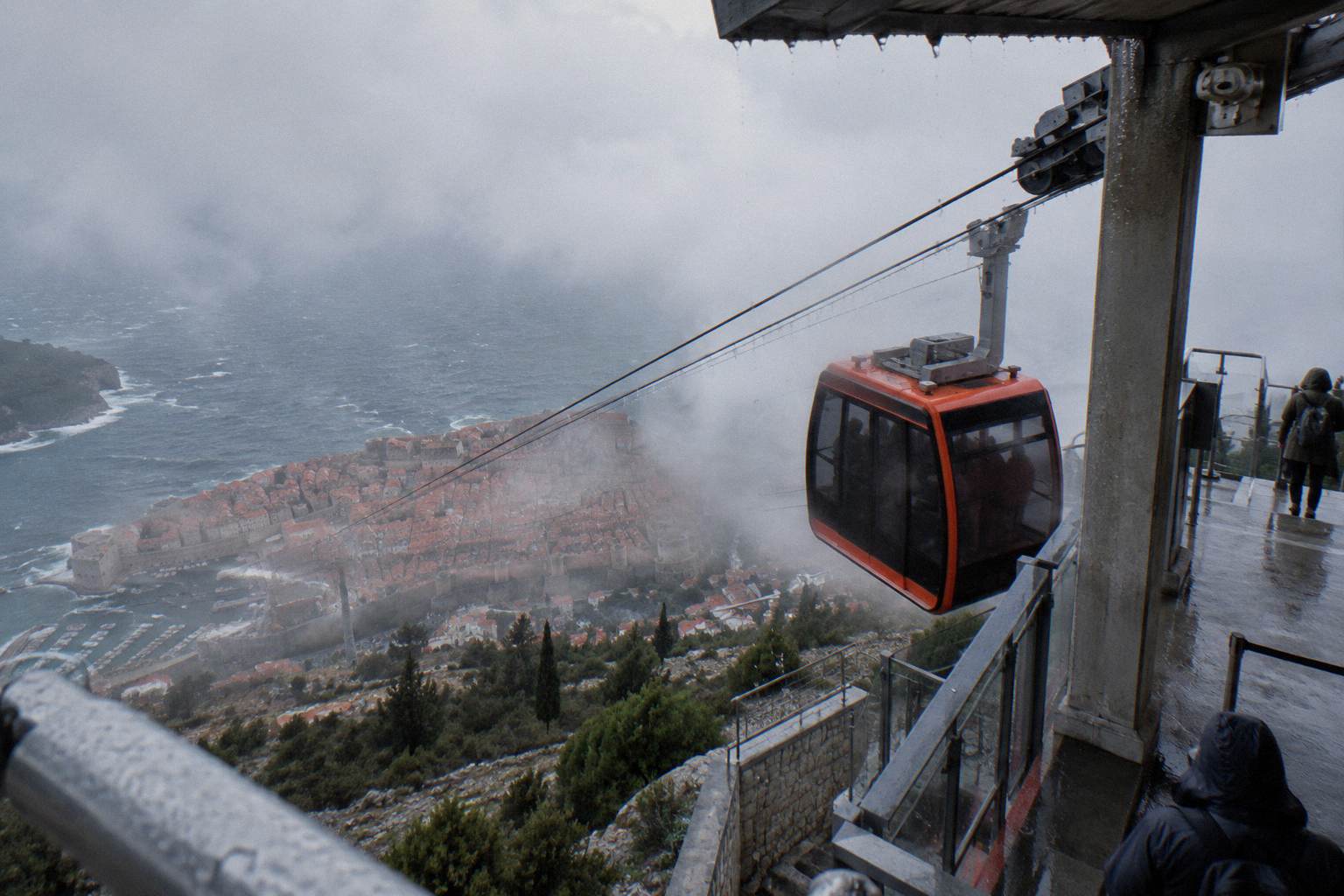
Yes, if you want the damage in geographic context. The Homeland War Museum sits inside Fort Imperial on Mount Srd, and entry is EUR 5 for adults, EUR 3 for students, free under 7. Hours are seasonal: 08:30 to 22:00 from April to September, 09:00 to 20:00 in October, 09:00 to 17:00 from November to March, so check the day before you go.
The museum's own site at the Homeland War Museum publishes the current hours and ticket details. Two practical ways up exist. The cable car runs from just above the Old Town: an adult return is EUR 30, one way is EUR 17, and a child return aged 4 to 12 is EUR 8, for a ride of about 4 minutes, with seasonal hours and some winter closures, so check the day before you go on the cable car's timetable and prices page. Or you book a tour that handles the transport.
| Tour | Operator | Format and duration | Price basis | Museum entry |
|---|---|---|---|---|
| Driving Tour, Per Vehicle | INtours Dubrovnik | Private drive, 2 hours | From €180 per vehicle | Not included, EUR 5 per person at the museum |
| Homeland War Museum, Transport | ROSOTRAVEL Croatia | Private drive, 3 hours | From €268 | Skip-the-line tickets included |
| Private War And Heritage Tour Of Mount Srđ | Adriatic Vision | Private drive, 4 to 5 hours | From €150 per person | Guide only, tickets not stated |
| Half-Day Yugoslav War History | Amico Tours | Guided drive, 4 hours | From €178 per person | Red History Museum and Homeland War Museum included |
The Driving Tour, Per Vehicle from INtours Dubrovnik is the shortest route up: 2 hours by car to Fort Imperial and the front-line defence points, led by a former Croatian soldier who defended Dubrovnik, with the EUR 5 museum ticket paid separately at the door. At the other end, the Private War And Heritage Tour Of Mount Srđ from Adriatic Vision stretches to 4 to 5 hours and adds the Hotel Belvedere and Kupari, the Old Town memorials, and War Photo Limited, with a minimum age of 10.
One structural point about prices in the table above: the rows are per vehicle, per person, and flat "from" figures on different bases, so they cannot be ranked against each other directly. A per-vehicle price splits across however many people travel; a per-person price does not. Compare formats and durations first, then do the arithmetic for your own group size on the booking page.
What About Kupari, The Belvedere, And The Wider Damage Trail?
Kupari and the Hotel Belvedere are the coastal half of the damage story, but neither can be entered. Kupari, the former Yugoslav People's Army resort nicknamed "Tito's Hawaii", was damaged in 1991, and its ruins were largely demolished in 2025 with the protected Grand Hotel excepted; the site is under redevelopment with no public access. Tours that include these stops describe them from the road or a viewpoint.
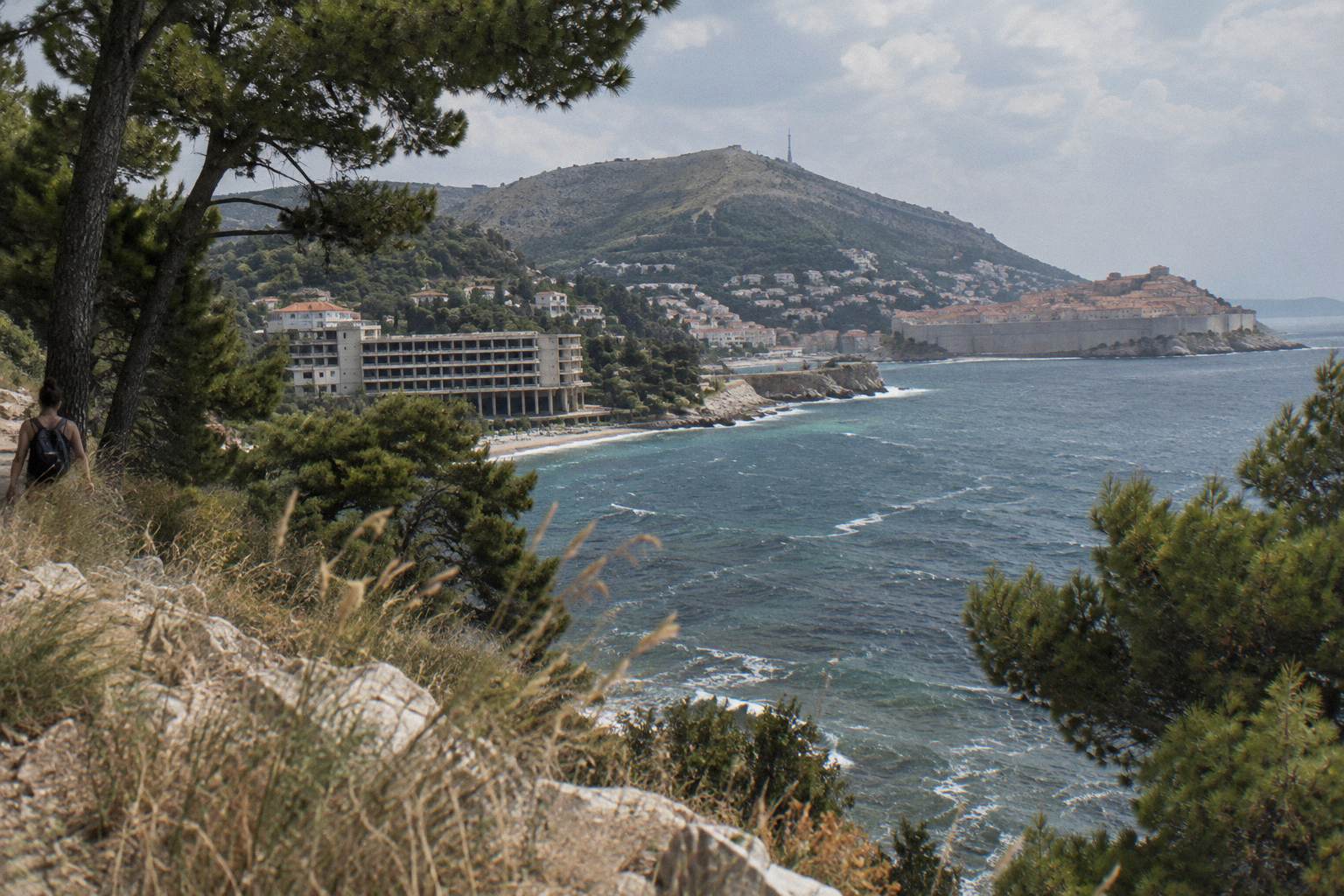
This matters because some itineraries still list the Belvedere and Kupari ruins by name, and readers reasonably assume that means walking through them. It does not, and it cannot: the redevelopment is documented in local reporting on Kupari's transformation, and the public is kept out. The honest framing is that these are exterior stops, context for the resort era of socialist Yugoslavia and its violent end, seen from a distance. The why is Kupari still abandoned post covers the site's strange in-between status, and the Hotel Belvedere Dubrovnik guide does the same for its neighbour.
The tour that stitches the whole trail together, Old Town damage, Mount Srd, and the coastal sites, is the Half-Day Yugoslav War History from Amico Tours: a 4-hour guided drive with pickup included, from €178 per person, visiting the Red History Museum, the Homeland War Museum at Fort Imperial on Srd, the Ombla River source, and optionally the Belvedere Hotel ruins and the War Photo Gallery. Red History Museum and Homeland War Museum entrance are included, along with an audio guide in English, Spanish, French, Italian, Portuguese, and German. Because War Photo Limited closes November to March, the optional gallery stop is seasonal.
For the Yugoslav-era context that sits behind all of this, the Red History Museum Visit from the Red History Museum itself is the anchor: admission to the museum included, from €10 per person, 50 minutes to 1 hour 35 minutes, with an augmented reality app as part of the experience. It carries a rating of 4.8 across 206 reviews, the most reviewed product covered on this site, and free cancellation up to 24 hours ahead. The museum's own site is at redhistorymuseum.com. Everyday life under socialism is explored further in the Yugoslav nostalgia and everyday life guide.
What Mistakes Do Visitors Make When Hunting Shell Marks?
The four recurring mistakes are expecting visible ruins, skipping the Old Town walking tours in favour of museum-only visits, assuming Kupari or the Belvedere can be entered, and turning up at War Photo Limited between November and March. Each one costs a visitor the thing they came for, and each is avoidable with a day of planning.
The first mistake is the common one and this page exists to prevent it. Visitors arrive expecting a city that looks wounded and find a city that looks intact. The damage is there, but it takes the form of repairs, and repairs are quiet. Adjust the expectation before you fly: you are going to read a restoration, not survey a ruin.
The second mistake is treating the Old Town as a self-guided stop between museum bookings. The plaques are small, the patched roofs are only legible from above, and the seams in the stone are invisible unless someone points. The private walks from My Dubrovnik Tours, Walk with Vesna, and ROSOTRAVEL Croatia each solve this in a different register, and all three include free cancellation up to 24 hours ahead, so weather and energy can shape the final call.
The third and fourth mistakes are covered in their sections above: no entry at Kupari or the Belvedere, and War Photo Limited closed from November through March. If your trip falls in the closed season, build the itinerary around the Old Town walks and Mount Srd instead, both of which run year-round, and check museum hours the day before you go, since winter hours are shorter across the board.
A final planning note on format. Walking tours stay inside the walls and lean on detail; driving tours reach the places legs cannot. If the damage trail as a whole is the goal, one walk plus one drive covers more ground than two of either, a comparison the Dubrovnik war walking tour versus jeep tour page works through in full.
Whichever way you assemble the day, the underlying facts are stable and worth holding onto: a siege from 1 October 1991 to 31 May 1992, the worst shelling on 6 December 1991, about two thirds of the Old Town's buildings damaged, and a restoration thorough enough that UNESCO lifted the danger listing in 1998. Everything you will stand in front of follows from those four lines.
Common Questions About Dubrovnik War Damage
Where Can You Still See Shell Marks In Dubrovnik's Old Town?
In patched roof tiles best seen from the city walls or higher lanes, in replacement stone in facades between Pile Gate and Ploce Gate, and on memorial plaques. The marks are subtle from street level, which is why the Old Town walking tours that name the war-damage sites are the dependable way to find them.
How Much Of Dubrovnik's Old Town Was Damaged In The War?
About two thirds of the buildings inside the walls were damaged during the siege of 1991 and 1992, with the heaviest shelling on 6 December 1991. The Old Town was inscribed by UNESCO in 1979 and stayed on the World Heritage in Danger list until 1998 while restoration proceeded.
Is There An Official Dubrovnik War Damage Map?
There is no verified public map counting individual shell marks. What exists instead is the record of where damage occurred and was repaired, anchored by the walking tours' stops, the Memorial Room of Dubrovnik Defenders, and the Homeland War Museum on Mount Srd, whose ticket is EUR 5 for adults.
Which Dubrovnik Tours Show The War Damage?
The Old Town walking rows: the Private Walk, 2h30 from My Dubrovnik Tours from €100 per person with Memorial Room entry included, the Walk With Vesna, Group Rate from €235 per group, and the Controversial History Private Walk from ROSOTRAVEL Croatia from €129 per person. All three include free cancellation up to 24 hours ahead.
Can You Visit The Ruins At Kupari And The Hotel Belvedere?
No. The Kupari ruins were largely demolished in 2025, the protected Grand Hotel excepted, and the site is under redevelopment with no public access. Tours that include these stops describe them from the road or a viewpoint, never from inside.
Is War Photo Limited Open In Winter?
No. It is open April and October from 10:00 to 17:00 and May to September from 10:00 to 22:00, and closed November to March. Adult entry is EUR 10, student EUR 6, and any tour that includes the gallery is seasonal for that reason.