Mostar Day Trip Or Dubrovnik War Tour: Which Fits Your War History Interest
Mostar day trip or a Dubrovnik war tour? Compare travel time, cost, what each one actually covers, and which local tours fit a serious war history interest.
Short answer
A Dubrovnik war tour costs from €10 to €178 per person, runs 50 minutes to 5 hours, and covers the 1991 siege and Yugoslav era on the spot. A Mostar day is a long cross-border trip covering a different city's history. Most visitors with a real war history interest get more from two local tours.
Dubrovnik's Old Town was inscribed by UNESCO in 1979 and spent 1991 to 1998 on the World Heritage in Danger list after wartime damage. That history is visible, walkable and explained on the spot by several local operators, which is exactly what Dubrovnik Communism Tours exists to help you book. The question this page answers is narrow and practical: if war history is your reason for travelling, is a Mostar day trip worth a full day away from Dubrovnik, or does a local tour serve you better?
The short version, before the detail: a local Dubrovnik tour puts you in front of real siege sites, war museums and, on some rows, guides with first-hand connections to the events, for between 50 minutes and five hours. A Mostar day removes you from that story for most of a day. If your interest is specifically the 1991 siege of Dubrovnik or the Yugoslav period in Croatia, the local tours are the direct route.
| Factor | Mostar Day Trip | Dubrovnik War Tour |
|---|---|---|
| Country visited | Bosnia and Herzegovina | Croatia |
| Time away from Dubrovnik | Most of a day | 50 minutes to 5 hours |
| Price range on this site's tours | Not sold here | From €10 to €268 |
| Direct link to the 1991 siege of Dubrovnik | Indirect | Direct, on site |
| Booking options covered here | Comparison only | 10 tours across 3 categories |
What Does A Local Dubrovnik War Tour Actually Cover?
A local war tour covers the siege of Dubrovnik, which ran from 1 October 1991 to 31 May 1992, and the Yugoslav era that preceded it. You walk shell-scarred Old Town streets, visit the Homeland War Museum in Fort Imperial on Mount Srd, or explore the Red History Museum's exhibits on everyday life in socialist Yugoslavia, depending on which tour you pick.
The siege is the story most visitors come for, and the city keeps it visible. The heaviest shelling of the Old Town came on 6 December 1991, and the city's own record of the destruction and restoration of the Old Town documents the damage and the repairs that followed. About two thirds of the Old Town's buildings were damaged in 1991 and 1992. Much of that has been restored so carefully that you cannot tell the repaired roofs from the originals without a guide, which is precisely why a guided walk adds something here.
The walking options concentrate on that street-level story. The Private Walk, 2h30 by My Dubrovnik Tours runs east to west through the Old Town, from Ploce to Pile, pausing at war-damage sites and including entrance to the Memorial Room of Dubrovnik Defenders. It costs from €100 per person, lasts 2 hours 30 minutes, and is led by a decorated war veteran who personally witnessed the war. It is rated 5 across 8 reviews, a small number of reviews, but consistent ones. The Controversial History Private Walk by ROSOTRAVEL Croatia covers similar ground in 2 hours at from €129 per person, with a licensed private guide pointing out the 1991 shell scars still traceable on rooftiles and walls.
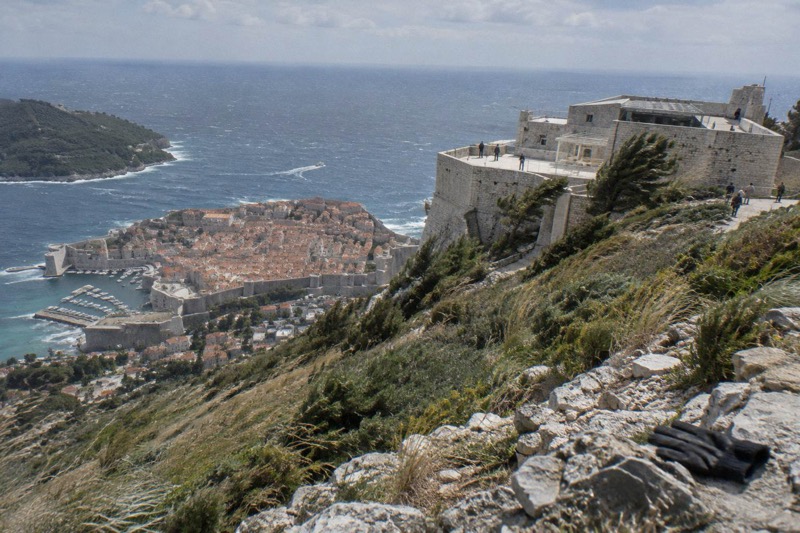
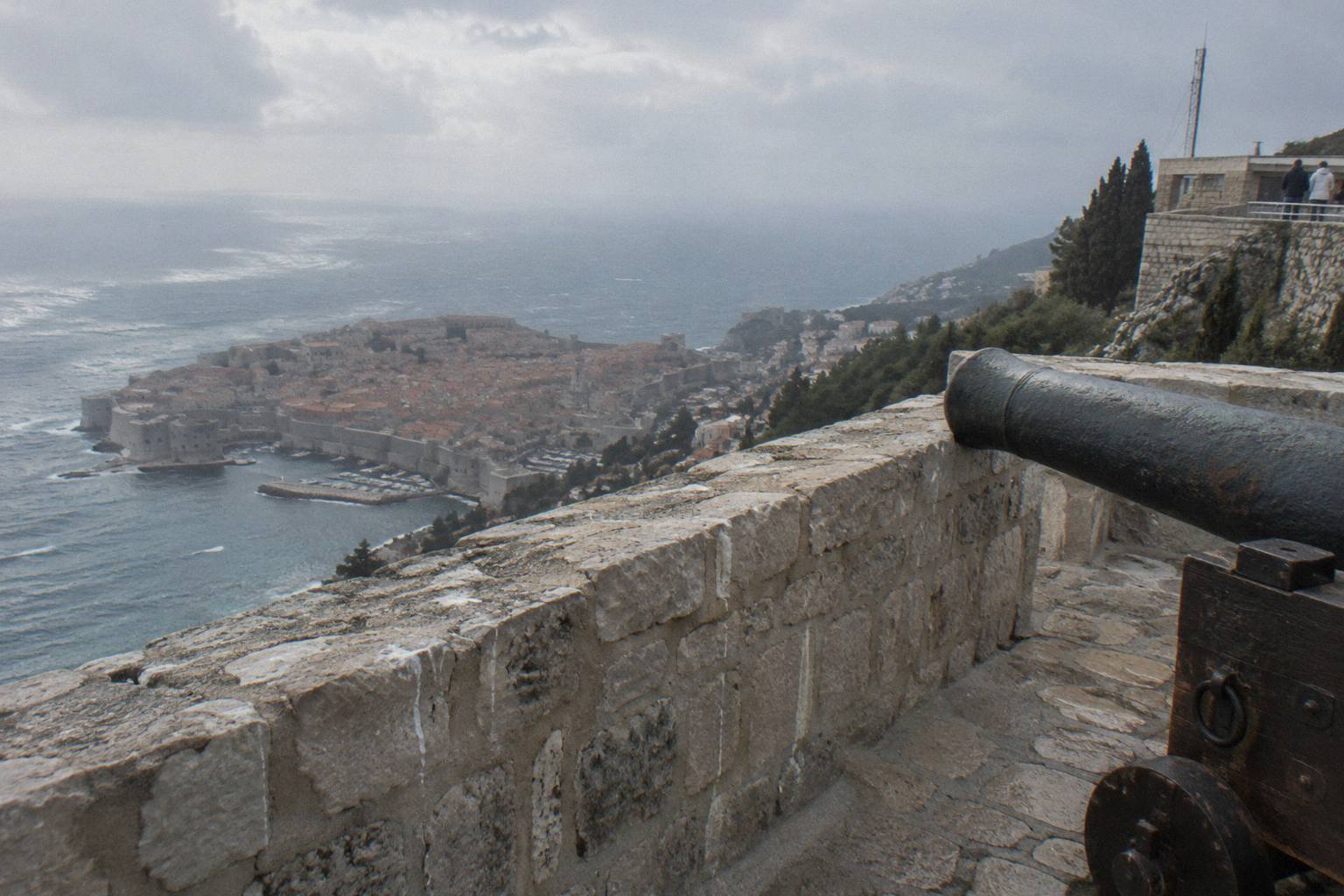
Then there is the hill above the city. Fort Imperial on Mount Srd houses the Homeland War Museum, whose official site lists adult admission at 5 EUR, students at 3 EUR and under-7s free, with seasonal hours: 08:30 to 22:00 from 1 April to 30 September, 09:00 to 20:00 in October, and 09:00 to 17:00 from 1 November to 31 March, so check the day before you go. Several tours on this site build their itinerary around it, including the Driving Tour, Per Vehicle by INtours Dubrovnik (from €180 per vehicle, 2 hours, museum entry of 5 EUR per person paid separately) and the Homeland War Museum, Transport tour by ROSOTRAVEL Croatia (from €268, 3 hours, skip-the-line tickets included).
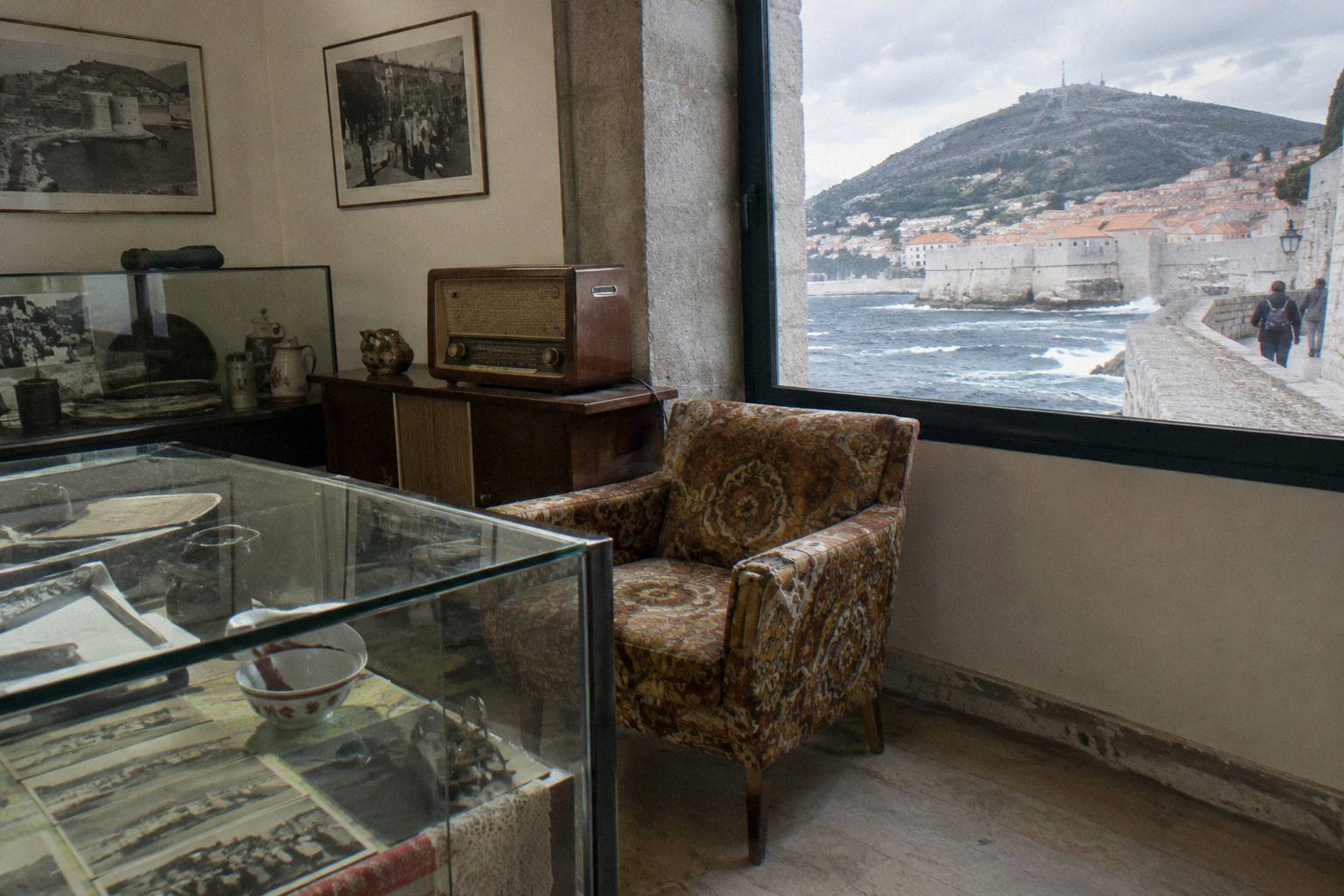
A third strand covers the communist period rather than the war itself. Croatia was one of the republics of socialist Yugoslavia, which Josip Broz Tito led after the Second World War; Croatia declared independence on 25 June 1991, and the siege followed. The Red History Museum Visit explores that pre-war everyday life through an interactive museum with an augmented reality app, from €10 per person, and it carries the largest review base on this site: rated 4.8 across 206 reviews, making it the most reviewed tour here. More on the comparison of walk versus drive in this guide to walking versus driving war tours in Dubrovnik.
The three strands map neatly onto the three categories this site sells from: Homeland War walking tours, Mount Srd and Homeland War driving tours, and communist Yugoslavia tours. Knowing which strand you want before you book does more to shorten your decision than any price comparison.
| Strand | What It Covers | Where It Happens | Example Tour |
|---|---|---|---|
| Siege walks | 1991 damage and restoration, the Memorial Room | Old Town streets, Ploce to Pile | Private Walk, 2h30, from €100 per person |
| Hill and museum drives | Fort Imperial, front-line defence points, bunkers | Mount Srd and the roads above the city | Driving Tour, Per Vehicle, from €180 per vehicle |
| Yugoslav-era visits | Everyday life in socialist Yugoslavia, independence | Red History Museum and beyond | Red History Museum Visit, from €10 per person |
What Does A Cross-Border Mostar Day Involve?
A Mostar day trip takes you across an international border into Bosnia and Herzegovina for a full day, to a city whose war history belongs to a different conflict and a different country. It is a rewarding trip for its own sake, but it is not a Dubrovnik history experience, and this site does not sell or compare specific Mostar products.
Mostar's story is its own. This page will not borrow it, summarise it or fold it into Dubrovnik's, because the two cities' wartime experiences were separate and deserve separate telling. What matters for your decision is structural rather than historical: a Mostar day is a long transfer in each direction, border formalities, and a compressed visit to a city that rewards far more time than a day trip allows. You return to Dubrovnik having seen somewhere genuinely interesting, but having learned nothing additional about the siege you are standing in the middle of.
That is the honest trade. If your trip to Dubrovnik is short, one Mostar day can consume a third of it. If your interest in the region is broad, the trip makes sense as a complement to a local war tour, not as a substitute for one. Several Dubrovnik operators can also tell you plainly that the two experiences do not overlap: the local tours cover the 1991 siege of Dubrovnik and the Yugoslav period in Croatia, and nothing on a Mostar itinerary covers either.
There is also the seasonal angle. Winter daylight, weather and mountain roads make a long cross-border day a different proposition in November than in June, while Dubrovnik's museums and walks run on their own seasonal schedules that you can plan around. War Photo Limited, for example, keeps hours of 10:00 to 17:00 in April and October and 10:00 to 22:00 from May to September, and is closed November to March, as its visitor page shows, which matters for any local itinerary that includes it.
How Do Time, Cost And Effort Compare?
Time is the starkest difference. A Mostar day absorbs most of your daylight hours in transit, while every Dubrovnik war tour here fits into half a day or less, from a 50-minute museum visit to a 5-hour private heritage tour. Cost runs from €10 for the Red History Museum Visit to €178 per person for the Half-Day Yugoslav War History tour with pickup included.
Start with the cheapest serious option. The Red History Museum Visit costs from €10 per person and lasts 50 minutes to 1 hour 35 minutes, admission included, so an afternoon costs you pocket change and under two hours. At the other end, the Half-Day Yugoslav War History tour by Amico Tours runs 4 hours at from €178 per person with pickup included, entrance to both the Red History Museum and the Homeland War Museum included, and audio guides in English, Spanish, French, Italian, Portuguese and German.
Between those poles sit the private tours, priced per person, per group or per vehicle depending on the format, which are never directly comparable with each other. A per-vehicle price such as the Driving Tour, Per Vehicle at from €180 makes sense for a family; a per-group price such as the Walk With Vesna, Group Rate at from €235 per group suits a couple who want the Old Town restoration story told by a guide who was in the city during the siege, with an optional cable car ride to Srd and the Homeland War Museum on request. That row is rated 5 across 5 reviews, a small number.
The effort comparison favours the local tours even more than the money comparison. Every tour above starts in or near Dubrovnik; two of the driving options include pickup. The Dubrovnik Panorama And War Bunkers Tour by Dubrovnik Tours & Transfers includes pickup and visits Mount Srd, the Franjo Tudjman Bridge, the Ombla River and historic war bunkers in 2.5 hours, from €200 per group, with a professional driver-guide. Against a Mostar day's early start and late return, that is the difference between a morning activity and a lost day.
| Tour | Operator | Format | Duration | Price |
|---|---|---|---|---|
| Red History Museum Visit | Red History Museum | Guided museum visit | 50 min to 1 h 35 min | From €10 per person |
| Private Walk, 2h30 | My Dubrovnik Tours | Private walk | 2 h 30 min | From €100 per person |
| Controversial History Private Walk | ROSOTRAVEL Croatia | Private walk | 2 hours | From €129 per person |
| Driving Tour, Per Vehicle | INtours Dubrovnik | Private drive | 2 hours | From €180 per vehicle |
| Walk With Vesna, Group Rate | Walk with Vesna | Private walk | 2 hours | From €235 per group |
| Half-Day Yugoslav War History | Amico Tours | Guided drive with pickup | 4 hours | From €178 per person |
Which Dubrovnik Tours Fit Which Interest?
Match the tour to the question you bring. For the 1991 siege itself, take a private Old Town walk. For the museum on the hill, take a driving tour to Fort Imperial. For communist-era everyday life, take the Red History Museum Visit. For everything in one morning, the Half-Day Yugoslav War History tour is the broadest single itinerary on this site.
The siege-first walkers have two strong options. The Private Walk, 2h30 by My Dubrovnik Tours is the deepest Old Town option: 2 hours 30 minutes, war-damage sites from Ploce to Pile, the Memorial Room of Dubrovnik Defenders included, free cancellation with a 24-hour window, and a guide credential no other row carries. Check availability if the human side of the siege is your priority.
The museum-first visitors should look up the hill. The Homeland War Museum inside Fort Imperial is the single most concentrated collection covering the defence of Dubrovnik, and three tours approach it differently: the 2-hour Driving Tour, Per Vehicle by INtours Dubrovnik (from €180 per vehicle, museum entry 5 EUR per person extra, guided by a former Croatian soldier who defended Dubrovnik), the 3-hour Homeland War Museum, Transport by ROSOTRAVEL Croatia (from €268, skip-the-line tickets included), and the Private War And Heritage Tour Of Mount Srđ by Adriatic Vision, a 4 to 5 hour per-person driving tour from €150 that widens the lens to include the Hotel Belvedere and Kupari area, Old Town memorials and War Photo Limited.
One caution on that last itinerary: Kupari, the former Yugoslav People's Army resort once nicknamed "Tito's Hawaii", was damaged in 1991 and its ruins were largely demolished in 2025, with the site now under redevelopment and no public access, as local reporting on the Kupari redevelopment explains. Listings describe such places from the road or a viewpoint; expect no entry and no walking among buildings. The wider story is covered in this guide to the Kupari resort and its fate.
The Yugoslavia-first visitors belong at the Red History Museum, either on its own 50-minute-to-1-hour-35 visit from €10 per person or folded into the 4-hour Amico Tours half-day. And if a portrait of the whole arc, from Tito's Yugoslavia through independence on 25 June 1991 to the siege and its aftermath, is what you are after, the 1991 to 1992 Dubrovnik war timeline gives the dated skeleton before you book.
Walking, Driving Or Museum: Which Format Suits You?
Walks keep you inside the Old Town's street-level story and run 2 to 2.5 hours. Driving tours reach Fort Imperial and the bunker roads above the city in 2 to 5 hours, with pickup on some rows. Museum visits are the shortest and cheapest entry point. Most serious visitors combine one walk with one driving tour.
The walking format earns its place because the Old Town's damage and restoration are only legible at street level. Replaced rooftiles, patched facades and rebuilt towers look identical to centuries-old originals until someone points them out. The Walk With Vesna, Group Rate by Walk with Vesna builds its whole 2 hours around those restoration traces, from €235 per group, with the cable car to Srd and the Homeland War Museum available on request rather than included.
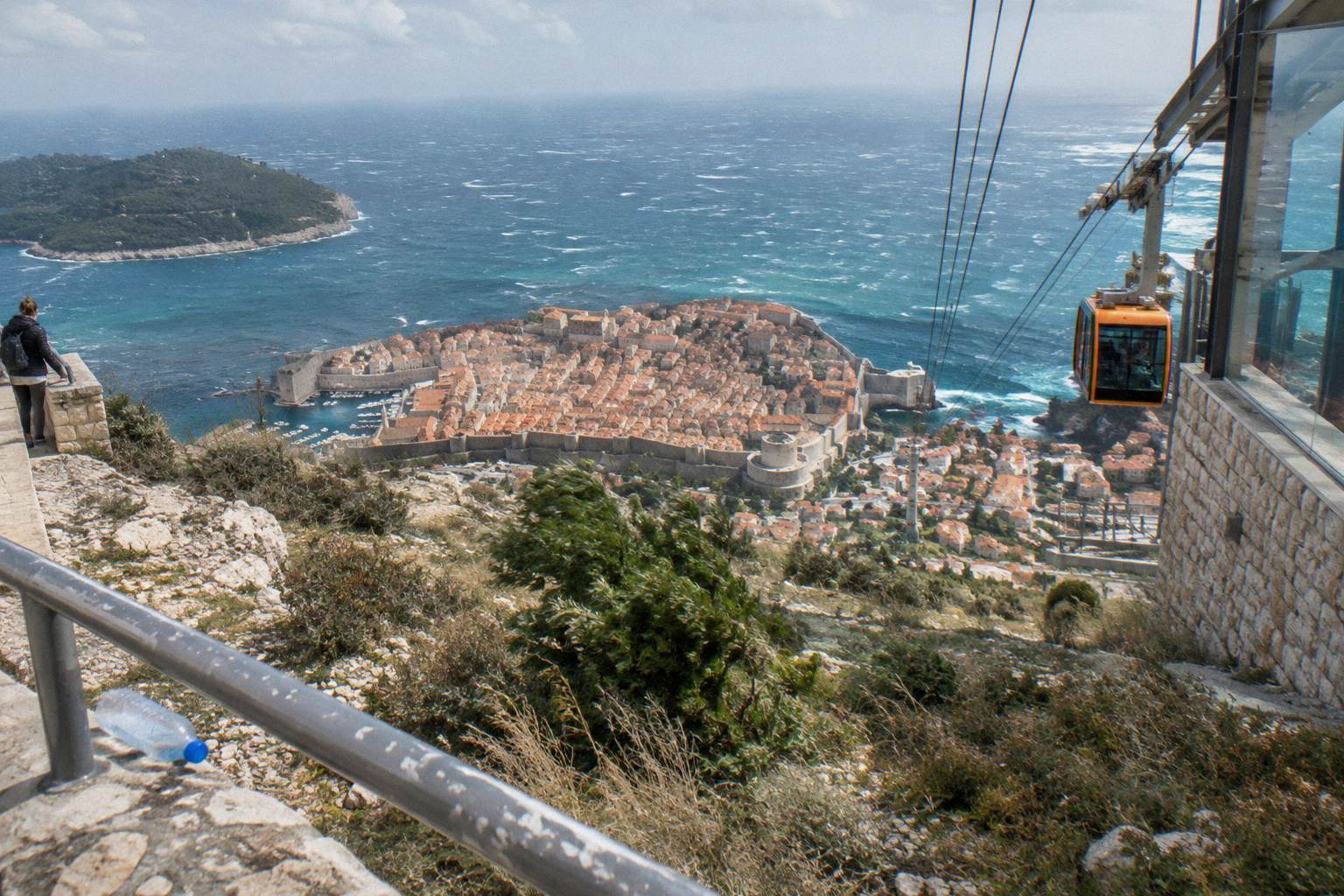
The driving format earns its place because the hill story cannot be walked comfortably. Fort Imperial sits at the top of Mount Srd; the Dubrovnik Cable Car is the public alternative, costing 30 EUR adult return, 17 EUR one way and 8 EUR child return for ages 4 to 12, with a ride of about 4 minutes and seasonal hours including some winter closures, so check the day before you go on the cable car timetable and prices page. A driving tour bundles the ascent, the museum and the front-line defence points into one motion, which matters in summer heat and in off-season weather alike.
The museum format, finally, is the honest budget option. A €10 self-guided-pace visit to the Red History Museum, or a 5 EUR adult ticket to the Homeland War Museum bought at the door, delivers real content for the price of lunch. What the formats share across this site's rows is a free cancellation policy with a 24-hour window, so a wrong choice costs nothing to reverse. The format question is unpacked further in this private versus group war tour comparison.
What Mistakes Trip People Up When Choosing?
The most common mistakes are treating a Mostar day as a substitute for local war history, underestimating how much a cross-border day costs in time, skipping the Homeland War Museum for want of a plan, and expecting winter access to Kupari, Belvedere or War Photo Limited, which are closed, inaccessible or seasonal.
The substitution mistake comes first because it is the one this page exists to prevent. Visitors with three days in Dubrovnik routinely spend one of them in Bosnia, then leave without visiting Fort Imperial or walking the Old Town's shell-scarred streets with anyone who can read them. A Mostar day is worthwhile on its own terms; it simply answers a different question than the one Dubrovnik's war history asks. The question of what happened to Dubrovnik during the war is answered here, on the ground, not across a border.
The access mistakes come next. War Photo Limited is closed from November to March, adult entry 10 EUR and student 6 EUR, so any itinerary that includes it is a seasonal one. Kupari has no public access while redevelopment proceeds. The upshot is simple: in winter, choose Old Town walks and Fort Imperial, both of which run all year on their seasonal schedules.
The planning mistakes are smaller but real. Per-person, per-group and per-vehicle prices are not comparable on their face: a from €200 per group tour for four people is a different proposition from from €129 per person for the same four. Check durations against what they mean: a booked duration is the whole tour, not the time at any one stop, so a 2-hour tour includes its walk to and from the gates. And book the Memorial Room and museum inclusions deliberately, since some rows include tickets and others list museum entry as an extra.
| Mistake | What It Costs You | The Fix |
|---|---|---|
| Treating a Mostar day as war history coverage | A full day with no Dubrovnik siege context | Book a local walk or drive first |
| Comparing per-person and per-group prices directly | A wrong sense of which tour is cheaper | Compare within one pricing format only |
| Expecting War Photo Limited in winter | A missing stop from November to March | Choose it between April and October |
| Assuming Kupari or Belvedere entry | A planned visit that cannot happen | Accept road or viewpoint descriptions only |
| Forgetting museum tickets on entry-excluded rows | 5 EUR per person surprise at Fort Imperial | Check inclusions before booking |
Can You Do Both In One Trip?
Yes, and with four or more days the two options stop competing. Take a local war tour on day one or two while your legs are fresh and the light is good, then give the Mostar day a slot where an early start and a late return will not wreck the following morning. The local tour also gives you the context that makes a wider regional trip mean more.
The order matters more than people expect. A Dubrovnik war tour first anchors the regional story in the city you are staying in: the Yugoslav system, the independence declaration of 25 June 1991, the siege from 1 October 1991 to 31 May 1992, the worst shelling on 6 December 1991, and the restoration that returned the Old Town to its UNESCO standing. With that framework in place, a later cross-border day becomes a second chapter rather than a standalone excursion.
For families, the local-first logic is even stronger. Several rows carry minimum ages: 10 on the Private War And Heritage Tour Of Mount Srđ, and the topic itself is heavy for younger children; the question of whether a Dubrovnik war tour suits kids deserves its own reading before you book. Practical packing matters too, and the notes on what to wear on a Dubrovnik war tour cover the walking surfaces and hill weather.
The budget-friendly pairing is the Red History Museum Visit from €10 per person plus a Memorial Room walk from €100 per person: two days, two stories, well under one person's cost on a long cross-border excursion. If you want a third voice on the Old Town's hidden scars, the Controversial History Private Walk by ROSOTRAVEL Croatia, 2 hours from €129 per person with a licensed guide, is the row to add. Check availability alongside your other bookings so the days dovetail.
Whatever you choose, book the local tours before the day trips. The Dubrovnik rows carry free cancellation with a 24-hour window, so holding places costs you nothing and frees you to shape the rest of the week around them. The full field of options, including which tours are private walks, which are driving tours and which are museum visits, is laid out in this overview of what a Dubrovnik war tour shows you.
Common Questions About Mostar Or Dubrovnik War Tours
Is A Mostar Day Trip Worth It From Dubrovnik?
On its own terms, yes: Mostar is a rewarding destination. As war history tied to Dubrovnik, no: it covers a different country and a different conflict. With four or more days, do a local Dubrovnik war tour first, then the Mostar day as a complement rather than a substitute.
What Does A Dubrovnik War Tour Cost?
From €10 per person for the Red History Museum Visit up to from €178 per person for the Half-Day Yugoslav War History tour with pickup, with private walks and driving tours between from €100 and from €268 depending on format. Per-group and per-vehicle prices are not directly comparable with per-person ones.
How Long Does A Dubrovnik War Tour Take?
Between 50 minutes and 5 hours. The shortest is the Red History Museum Visit at 50 minutes to 1 hour 35 minutes; the longest is the Private War And Heritage Tour Of Mount Srđ at 4 to 5 hours. Every option fits into half a day, unlike a cross-border trip.
Which Dubrovnik War Tour Covers The Siege Best?
For the Old Town street-level story, the Private Walk, 2h30 by My Dubrovnik Tours, from €100 per person, includes the Memorial Room of Dubrovnik Defenders and is led by a decorated war veteran. For the museum story, a driving tour to Fort Imperial covers the Homeland War Museum, entry 5 EUR for adults.
Can You Visit The Homeland War Museum Without A Tour?
Yes. The museum in Fort Imperial sells tickets at the door: 5 EUR adults, 3 EUR students, under 7 free, with seasonal hours, so check the day before you go. You can reach Mount Srd by the cable car, 30 EUR adult return with seasonal hours and some winter closures. A driving tour simply bundles the transport and the storytelling.
Are Dubrovnik War Tours Suitable For Winter Visits?
Largely yes. Old Town walks and the Homeland War Museum run all year on seasonal schedules. Two exceptions: War Photo Limited is closed November to March, so tours including it are seasonal, and Kupari has no public access during redevelopment at any time of year.